Goma_(dpa) _ Rosa Nyanzira sits on a pile of volcanic rock in the eastern Congolese city of Goma, wearing two dresses and a ragged fur coat despite the scorching summer heat.
“These clothes are all that I have,” she says. “I don’t want to lose them.”
Nyanzira, 48, is one of an estimated 350,000 refugees living in Goma, the capital of the Democratic Republic of Congo’s eastern North Kivu province.
Children carry water in a Congolese IDP camp
Many of these refugees fled late last year as fighting flared up between rebel Tutsi general Laurent Nkunda’s National Congress for the Defence of the People (CNDP) and government forces.
Over 250,000 civilians ran, joining hundreds of thousands already displaced by localized clashes that have continued since the end of the 1998-2003 war.
In early November, Nyanzira, a mother of eight from the town of Kisharo, about 90 kilometres north of Goma, travelled to visit her daughter in the nearby village of Kiwanja.
“The war met me there,” she says. “We were at my daughter’s home and we heard shouting and gunfire.
“We saw government soldiers running past,” she adds. “They told us we should flee.”
Nyanzira and her daughter ran to a nearby forest.
“We took nothing,” she says. “There was no time.”
At least 150 people died in the attack on Kiwanja amid reports of summary executions.
Tales of rape, murder and looting – by the army as well as the CNDP – are commonplace.
Nkunda, who launched his campaign in October, citing the need to protect Congolese Tutsis from attacks by Hutu militias formed after the 1994 genocide in Rwanda, denies the charges.
Nyanzira and her daughter joined a line of refugees and travelled to Goma under the cover of darkness. The group sought shelter at the Notre Dame church in Goma’s impoverished Katoy quarter.
Nyanzira has lived in the empty lot between the church and a neighbouring school for the last three months.
Each night, the caretaker unlocks the school door and hundreds of people file in, hoping to find a bit of floor to sleep on.
In the morning, the refugees vacate the building and travel into the city’s wealthier parts, hoping to find odd jobs.
Those too young, too old or too weak to work simply squat on piles of rock left over from a volcanic eruption that decimated parts of the city in 2002.
Humanitarian workers occasionally hand out clothing and food, while the church donates 20 kilogrammes of beans and maize flour, a local staple, every two weeks.
Nyanzira dreams about reuniting with her family, but she has no idea where they are. Although information is passed on by new arrivals, Nyanzira has heard nothing.
A child carries a bed roll in the KIbati II refugee camp outside Goma in the Eastern DRC
She hopes her family headed towards the refugee camps in neighbouring Uganda. But she will wait until it is safe to travel before searching for her lost kin.
Officials estimate that anywhere between 40 and 70 per cent of Congolese refugees are living in public spaces or with host families.
The rest are in camps. But security has become a major issue for these people.
Ten kilometres away from the church, the Kibati II refugee camp sits in the shadow of Goma’s volcano, Mount Nyamuragira. It is also on the front lines of the war.
Night raids by heavily armed and unpaid soldiers, members of the Congolese army (FARDC), make life precarious for the nearly 70,000 refugees at Goma’s largest camp.
Two people have been murdered and several women have been raped in the camp since November.
The irony, locals say, is that the FARDC is tasked with protecting the refugees.
David Nthengwe, a spokesman for the United Nations High Commission for Refugees (UNHCR), says that the agency is trying to relocate the refugees to another camp further from the front lines.
But war-weary residents are reluctant to move with the future uncertain.
Rwanda, with the agreement of the Congolese government, has sent a force of almost 4,000 soldiers into the east of DR Congo to tackle the Hutu militia. But Rwanda has also arrested Nkunda, who was facing opposition from within the CNDP.
Whether this will mean more or less fighting, nobody is sure, and the refugees are unwilling to take the chance of returning home.
School teacher Innocent Gasigwa, 32, has lived at the camp since October. The father of three also fled Kiwanja after the rebel attack.
He has no plans to leave, arguing that its proximity to Goma allows him to go to the city and seek work.
“If the war comes here or more attacks happen, I can always run to Goma,” he says.
Goma – Saddiqi Fundi stands in a central Goma garage surveying the damage to a large truck, its frame severely damaged from driving on the Democratic Republic of Congo’s rough roads.
Fundi, 21, is an apprentice welder at the Garage Buyora, operated by Puis-Casi Kasereka Lwanzo, a Congolese businessman who trains demobilized soldiers.
As a 14 year-old, Fundi was abducted from his town near Masisi, 50 kilometres west of Goma, and enlisted into the Rally for Congolese Democracy (RCD), a rebel army backed by Rwanda.
He fought for three years before he was rescued by UN peacekeepers and sent to a reintegration programme.
After completing the programme, he returned to his village. But he was soon abducted again and sent back to the front lines.
Fundi managed to escape several months later and was taken in to the mechanics programme in 2004.
Despite various attempts at ending fighting in the DR Congo, which has dragged on despite the official end of war in 2003, children like Fundi are still being recruited and re-recruited into various armies fighting for control in the volatile North Kivu province.
As people fled their homes to avoid clashes that began to intensify in August, the DR Congo’s various armies, observers say, have capitalized on the chaos to recruit underage soldiers into their forces.
The United Nations Children’s Fund (UNICEF) warned earlier this month that recruitment levels were high.
Children are abducted to fight or serve as sex slaves to older soldiers. Others turn to the militias voluntarily for protection, food and shelter.
Amongst DR Congo’s massive refugee population, children are particularly vulnerable to abduction.
The country currently has over one million people displaced from their homes, 250,000 of them since fighting resumed in the summer.
In a recent United Nations report, a group of experts tasked with investigating the conflict accused all sides in the war of recruiting and deploying child soldiers.
The National Congress for the Defence of the People (CNDP), the Congolese army and Pareco, a group of militia aligned with the government were all accused of using the chaos to recruit child soldiers.
‘Former child soldiers are vulnerable to re-recruitment as they are already trained combatants and constitute an appealing asset to armed groups,’ the group reported.
In the Northern Orientale province, which borders Uganda and Sudan, high levels of recruitment have been reported as Congolese, South Sudanese and Ugandan troops jointly battle notorious Ugandan rebel group the Lord’s Resistance Army (LRA),
In a recent interview with UN radio, Alan Doss, the head of the UN peacekeeping force in the country (MONUC), demanded the release of underage soldiers from the country’s armies.
‘The recruitment and use of children by armed forces and groups is a war crime and a crime against humanity,’ he said. ‘This literally destroys the future of this country.’
Lwanzo, however, is doing his best to help these former child soldiers build a future.
The businessman started out in 1985 training homeless children. Non-governmental organizations working with child soldiers later took notice and asked if he would expand his programme to help former combatants.
The school is now in its seventh session and has trained over 350 demobilized soldiers from all of the armed groups involved in the Congolese war. His students have been as young as 14.
Amongst the 60 employees at his garage, which spans almost a full city block, are several former students. Other graduates return home to work or start their own businesses.
The mechanics at Garage Buyora are well-regarded, Lwanzo says.
Rifling through a folder, he pulls out a photo of his mechanics repairing a broken axle on a heavy white vehicle with black UN letters.
‘Even MONUC use our services,’ he laughs.
However Lwanzo is haunted by the possibility his former students may end up fighting once more.
‘When we train people and they return to their villages to work they often are noticed by their old commanders and re-enlisted right way,’ he says. ‘When we know someone has been drawn back into the army, we immediately raise the alarm.’
Fundi is always alert, knowing his military past is never far behind him.
‘If I go back to Masisi, I know I’ll be taken back to the army or killed,’ he says. ‘Many of my colleagues are dead. I never go far away from the garage.’
In 2011, I traveled to Bolivia on assignment to profile a group of Canadian film-makers who were assisting with the development of a national broadcast grid that reflected the ideals of the country’s new constitution.
The following documentary was part of a multimedia project which included a feature article and photo essay in the Fall 2011 issue of Verge Magazine and on its web site.
The central prison in Georgetown, Guyana was much like one might imagine. High walls and filthy cells, an overcrowded courtyard, a shack in the corner for death row prisoners. Sweat, hustle and prison-house rules.
The young Canadian stood outside the rusted gates, fear and insecurity washing over him.
He’d been to the prison twice before but always accompanied by colleagues or a local priest.
This time he was alone.
“I just stood there. I thought of not going in but I knew if I didn’t, they wouldn’t take me seriously and I’d never get back in. On the other hand, I was thinking that if I did go in, I might get killed.”
The guards outside made sure that he knew that they thought he was crazy.
“Are you sure you want to go in?” they asked.
“It’s what I’m here for,” he told them.
“White boy. You ain’t comin’ out,” they laughed.
The young man went in, survived and helped launch the first drug abuse counseling program in the country’s history.
For the next several months he led group sessions inside the prison for inmates struggling with addiction.
Years later, Richard Zereik sits in a cafe in Montreal laughing about how his decision to enter the prison set the stage for a career that has taken him to many of the most violent, unpredictable and mind-bending places on Earth.
For over a decade, the 41 year-old played a key role in medical humanitarian missions for Medecins Sans Frontieres (MSF), negotiating access, planning campaigns and finding resources for his colleagues throughout conflict, outbreak and crisis.
Born in to war in Lebanon, Zereik’s family moved to Montreal when he was five. “My parents had two suitcases and the airline lost one of them,” he remembers. “They rebuilt their lives from scratch.”
The desire to travel and help the disadvantaged was always the plan, “I knew what it was like to be a refugee,” he explains. So in 2003, after finishing a psychology degree, Zereik cast his eye towards international development.
“I wasn’t sure where to start so I did my research. Library books, magazines, even the Yellow Pages. I had no experience, no skills, so I just started writing letters.”
He happened upon Canadian Crossroads International, a group that sends volunteers on development exchanges around the world.
“They were a good fit. They didn’t really need me to have any skills and I liked the idea of a cultural exchange. They asked me where I wanted to go; I said wherever you think I fit, that’s where I want to go.”
They suggested Guyana. He had done some disc jockey work and there was a project at a local radio station. It seemed perfect.
He soon got his first lesson that most careers in development don’t follow a straight path.
“The day before I was to leave I got a call from the group’s Canadian country liaison. She said good luck; hope you have a great mission. Oh, and by the way, I don’t know who is picking you up at the airport; the [radio station] project fell through so I don’t know what you’re going to do there. I don’t know where you’re going to stay and the country representative isn’t actually in the country. But good luck nonetheless.”
With a day’s notice and limited funds, he couldn’t change his ticket so he continued as planned.
A contact on the ground introduced him to people. He met a group that wanted to start a program helping addicts. He got involved and would soon find himself at the prison, learning on the fly.
After Guyana, Zereik returned to Canada, traveled, worked and completed a Masters in Counseling Psychology.
He began to think of the next step. One group in particular struck a chord.
“I had always dreamed of working for MSF,” he recalls. “When I was growing up in Montreal I had heard about their work in Beirut.”
He attended an information session, was immediately hooked and applied. He told them that he was leaving on a trip to Europe but made it clear. “If you call me, I’ll come back.”
Weeks later, in Florence, Italy he got an email. If he was near Rome, MSF wanted him to drop by the office.
Recruiters, it turned out, had liked his work in Guyana. He had experience managing projects, people and money.
Zereik, then 30, was hired as a field coordinator- responsible for managing missions in the field- ensuring that the medical teams had the security and space to work.
He was sent to Armenia, whose long conflict with neighbouring Azerbaijan had left it in crisis. He would coordinate the MSF operation in the Western region of the country, which included working in the country’s largest psychiatric hospital. He was also responsible for context analysis of the neighbouring countries of Iran, Azerbaijan, the Republic of Georgia and other countries in the South Caucasus.
“Working in the region was a huge challenge. We were operating a long-term medical psychosocial program in a country with no social workers and with a culture that didn’t trust or care for psychology.”
After a year on the ground, Zereik was offered a promotion. Feeling as though he wasn’t ready, he opted for a parallel move to Sierra Leone, the West African country reeling from a bloody regional conflict.
MSF ran seven camps for internally displaced people and three hospitals amidst the chaos.
Over the next several years he alternated between MSF offices in Canada and return trips to the civil war in the Ivory Coast.
He found that the lifestyle, shuttling between worlds- peaceful North America and whatever crisis was unfolding abroad, suited him.
In 2005 it was Darfur, where MSF had deployed a massive medical operation. “Darfur is huge,” he explained. “All of it was a war zone.”
The violent conflict between North and South Sudan was notorious for its unpredictability. North Sudanese-backed Janjaweed mercenaries traveled on horseback or atop camels, often accompanied by aerial bombers, terrorizing rural villages across an area the size of France.
MSF teams would get calls about attacks, assemble a mobile clinic and race, often over huge distances, to the scene.
Part of Zereik’s job was to ensure safe passage for the teams. “It was all about being able to read people, trusting your instincts and the people around you, your staff and the environment you were working in,” he explains. “There wasn’t much else you could do.”
There were no typical days. He remembers the day the village of Tama was attacked. A call came in and Zereik assembled a team and a mobile clinic- two trucks with drivers, medics, translators, the project coordinator and him.
“We went in blind. It’s how we had to work.”
As the team passed checkpoints, they felt as though they were intentionally being slowed down, Zereik, who speaks some Arabic, urgently tried to talk his way through.
As they got closer they were told people had fled Tama to a neighbouring village. So they changed course and, arriving in the town, put the word out that medics were there and could help.
“People started appearing out of nowhere, it was like they came out of the sand.”
The team only had a short window of safety and had to act fast. “In a few hours we treated hundreds of people.”
In his line of work, the story repeats itself many times. Often flying blind, back at the prison gates.
In 2006, Zereik worked with an MSF Operational Centre in Switzerland, part of a team managing the missions in Niger, Uganda and the Democratic Republic of Congo. He still made regular forays in to the field.
Rwandan troops leave Eastern DRC
There was the outbreak of pulmonary plague in Northeastern DRC- an airborne disease that, unless treated with antibiotics, is 100 per cent fatal.
Anyone with symptoms would have to be isolated as soon as possible. The team boarded a plane.
Again, nothing was simple. The outbreak was occurring in a region in full crisis. UN peace keepers had been recently kidnapped, rebel groups were everywhere and front lines moved quickly. No one could say with any certainty what group controlled what road or what town.
As the plane approached, the pilot told Zereik that he had ten minutes to unload. Any longer would be too dangerous. Watching the plane fly away, he realized that he had no idea what was beyond the airstrip.
“Alright, let’s go,” he remembers thinking, starting his mental checklist. He started shaking hands and negotiating passage. His team got to work and the outbreak was contained.
In late 2007 he was asked to lead a study trying to predict the challenges MSF teams would face working in an increasingly urbanized world.
Again he was traveling the world, doing what he loved but being away from his young family began to take its toll. The grind of crisis without end made him think.
He left MSF in 2009 and took a job with McGill University Student Services. In 2011, he became an associate director of the program.
The tug of the mission still grabs him, he admits, but he has found a peace in the quiet life and he can’t really complain. He’s seen tougher conditions. Much tougher.
“I still laugh sometimes in the morning when I turn on my faucet and there is cold water AND hot water.
Goma, DR Congo – Standing near the Corniche border crossing between the Democratic Republic of Congo and Rwanda, Rogatien Lubula watches several transport trucks carrying blue-helmeted soldiers rumble past in a cloud of dust.
‘My country has been destroyed,’ the 65-year-old trader complains.
‘With all of their weapons,’ he says, motioning towards the United Nations vehicles, ‘they could have stopped the war long ago if they weren’t more interested in sitting around eating peanuts and making money.’
‘I don’t think [the war] will ever end,’ he says. ‘They don’t want it to.’
UN peacekeepers in Eastern DRC
It is a common refrain amongst Congolese, who have lived through 15 years of unrest that began with the sudden arrival of millions of Rwandan Hutus after the 1994 genocide in Rwanda.
Since then, rebel groups have fought the national forces, bringing misery to the civilian population.
UN peacekeepers were once a welcome sight in the country, Lubula says, but have lost the trust of the locals.
MONUC (the French acronym for the peacekeeping mission) arrived in the DR Congo in 1999 with a small observer mission. Two years later, soldiers hit the ground.
The force rapidly became the UN’s largest peacekeeping mission, with 17,500 soldiers and an annual budget surpassing 1 billion dollars.
But despite the peacekeeping presence, as many as 5 million people died as a result of the 1998-2003 war and smaller conflicts in its aftermath.
Humanitarian organizations estimate that millions have been forced from their homes and hundreds of thousands raped.
MONUC’s efforts have more often than not been overshadowed by scandal.
UN forces have face several accusations, from failing to protect civilians to trading guns for minerals.
In 2004, the mission was rocked when UN soldiers were accused of rape, demanding sex in exchange for food and running prostitution rings.
The force came under fire again last November after witnesses testified it failed to intervene during rebel massacres in Kiwanja, 80 kilometres north of Goma, the provincial capital of the north- eastern North Kivu province.
Some 150 civilians were reportedly executed less than two kilometres away from a UN base.
Several times in recent months, angry mobs have attacked MONUC bases and convoys, pelting them with stones.
The latest criticism was aimed at MONUC’s inability to protect civilians from Ugandan rebel group the Lord’s Resistance Army (LRA).
Humanitarian organization Doctors Without Borders (Medecins Sans Frontieres, MSF) on Wednesday blasted MONUC for doing nothing during recent LRA raids in the north-eastern Haut-Uele province.
MSF says 900 civilians have been massacred in dozens of raids on villages since Christmas and that MONUC has simply remained in its base.
MONUC spokespeople, however, say that the peacekeepers lack the necessary resources to intervene.
Despite the controversies, the UN Security Council renewed the mandate of the mission in December, directing the force to step up its protection of civilians.
Analysts predicted the opportunity for redemption as 3,000 more troops and police officers were authorized.
But the optimism was short-lived. Countries willing to send soldiers have proven hard to find and on Wednesday, UN Secretary General Ban Ki-moon publicly appealed for troops.
At the same time, another political storm has hit the beleaguered mission.
On January 16, the Congolese government and several rebel groups announced a peace agreement. Days later, Rwandan troops crossed the border under a deal with the Congolese government to attack Hutu militias.
However, their first action was to arrest former ally, rebel Tutsi leader Laurent Nkunda, whose National Congress for the Defence of the People (CNDP) battled government forces at the end of last year.
In Nkunda’s place, Bosco Ntaganda emerged as leader, signing a deal to join the Congolese army and creating a major dilemma for MONUC.
Ntaganda, 35, is wanted by the International Criminal Court for recruiting child soldiers during the 1998-2003 war.
Witnesses also testified that he was the commander of CNDP forces responsible for the massacres in Kiwanja in November.
Last week, the UN announced it would join the new operations, but only in planning and logistics.
‘MONUC was cleverly backed into a corner,’ Jerede Malonga, a local human rights activist says. ‘They [MONUC] were told to either support the operation or go home. They chose to stay.’
On Wednesday, the UN reiterated its unease about working alongside Ntaganda, releasing a statement noting that it ‘will not participate in any transaction or operation in which Congolese warlord Bosco Ntaganda will play a role at any level.’
The UN decision is fraught with risk, says Arthur Kepel, an analyst with the think tank International Crisis Group.
‘If things go wrong, I’d be interested to see how MONUC explains its role,’ he says.
Goma, DR Congo – UN Secretary-General Ban Ki-moon wrapped up a two-day visit to war-torn Democratic Republic of Congo Sunday, repeatedly lashing out at those responsible for the epidemic of sexual violence and rape in the vast Central African country.
Standing in the Kibati II refugee camp, 10 kilometres outside the provincial capital Goma, Ban expressed his anger and pledged that the UN would prioritize the issue.
‘(This visit) has allowed me to meet with many sexually abused and internally displaced people and it has given me resolve,’ he said.
As many as five million people have died in the wars that have ravaged the region since 1998. Humanitarian organizations estimate that millions have fled their homes and hundreds of thousands raped.
UN Secretary General Ban Ki Moon meets with skeptical Congolese refugees.
The Kibati II camp is home to 20,000 Congolese displaced during recent fighting in North Kivu.
On Saturday, the secretary general visited the Heal Africa hospital in Goma, the site of thousands of fistula repair surgeries for rape victims.
‘I am humbled, saddened and shocked by what I have just seen,’ a visibly-shaken Ban said, moments after meeting rape victims inside the hospital.
The visit came mid-way through the UN leader’s five nation African tour, which began in South Africa and concludes March 2 in the Egyptian resort of Sharm el-Sheikh.
‘Last Monday alone there were ten cases of rape (treated at the hospital). I am shocked and angered by this. Rape is a crime against humanity.’
Ban said that he had discussed the issue with Congolese president Joseph Kabila during a private meeting Saturday, urging him to confront the ‘culture of impunity,’ that he said was rampant in the country. ‘Offenders must be prosecuted,’ he declared.
Those suspected of rape should be barred from serving in the army or the police and government leadership is required to address the crisis, he argued.
Both the army and the police have been accused of widespread sexual abuse throughout the war. Prosecutions have been virtually non-existent.
Sunday’s visit ended a eventful week in the troubled North Kivu province.
On Wednesday, nearly five weeks after quietly slipping over the border to fight Hutu militias in the region, Rwandan troops withdrew.
The Rwandans had been at the fore of the joint military operation against rebels who fled over the border during the 1994 Rwandan genocide and regrouped under the banner of the Forces Democratiques pour la Liberation du Rwanda (FDLR).
War-weary Goma residents cheered as thousands of Rwandan troops marched through the border city, marking the end of a secretive and controversial campaign.
‘All we want is the war to end,’ Julia Wandimoyi, a Goma resident said as she followed the troops in to the buffer zone between the two countries’ borders. ‘With the Rwandans in our country, there would never be peace.’
Rwanda has invaded the DRC twice since 1994, ostensibly to attack the FDLR, whose leadership has vowed to return and overthrow the Rwandan government, restoring political power to the Hutu majority in the country.
Several UN reports examining the war, the latest in December 2008, have accused Rwandan officials and businessmen of profiting from the invasions to secure concessions in the Eastern Congo’s lucrative mining industry, a charge Kigali strongly denies.
FDLR fighters, many of whom participated in the 1994 Rwandan genocide, have staged numerous attacks over the border since they arrived in the DRC.
The group allegedly has 6000 soldiers and are financed by their own control of mines throughout the DRC.
Since late January, Rwandan and Congolese forces have attacked the FDLR throughout Eastern DRC, attempting to disperse them and eliminate their financing network.
MONUC, the United Nations peace keeping mission in the country, was initially excluded from the planning, but later joined, providing logistics and equipment.
Congolese and Rwandan authorities report that 90 FDLR fighters have been killed and over 5000 Rwandan exiles have been repatriated.
But others fear that the new stage of the operation, led by the Congolese and supported by MONUC, will allow space for retribution killings in FDLR occupied areas – not unlike those which have occurred in the Northern DRC where Congolese, Ugandan and South Sudanese troops are currently pursuing Uganda’s Lord’s Resistance Army (LRA).
Over 900 civilians have been slaughtered by LRA fighters since mid-December.
Earlier in the week, the United Nations High Commission for Refugees warned that FDLR reprisal killings were on the rise, reporting that 32 people have been killed and 3000 displaced during recent attacks.
On Sunday, Ban supported the ongoing operation. ‘The biggest concern in the DRC is the lack of security. Even though the displaced want to return, they know they may be attacked by the FDLR. We must ensure this does not happen.’
This is my approach to documentary reporting across platforms. I often use the presentation below to pitch certain projects so that clients have a sense of who I am, how I do the work I do, what my motivation is and what my technical capabilities are. Selecting each of the slides below will open in to a standalone page.
In late September, 2014, Scotland held a referendum to decide if they wanted to secede from the United Kingdom. The campaign ran for close to two years and through much of the debate, the result seemed to be a foregone conclusion, with opinion polls indicating a solid majority opposed to independence. In the months before the vote the gap began to close at a rapid rate, throwing the future of the United Kingdom in to the unknown. A week before Scots headed to the polls, support for independence appeared to be growing at an unstoppable rate.
What resulted was an astonishing few days marked by a surge in national pride, intense debate and a very public soul searching process by just about everyone in Scotland. Panic-stricken British party leaders, sensing that the vote was trending away from them, boarded trains to Scotland, offers of devolution in hand, to try and convince Scots to stay. The trips would serve only to embolden the surging ‘yes’ campaign as the politicians seemed at a complete loss as to how to make an argument for saving the union. At the same time the corporate establishment launched an aggressive campaign, reminding their wavering supporters of the consequences of a ‘yes’ vote. Banks threatened to leave Scotland, supermarkets warned of skyrocketing food prices and business leaders reminded Scots of how many projects were on hold in anticipation of the vote. A surreal debate raged about the true size of Scottish North Sea oil reserves and whether or not they could sustain the birth of a new country. Editorial boards across the United Kingdom had already come out en masse in favour of maintaining the union- of the almost 70 major newspapers in Great Britain, only one, the Sunday Herald in Glasgow, endorsed a ‘yes’ vote. Commentators pushed the narrative that the representatives elected by Scottish voters weren’t qualified to run the country and attention focused heavily on the more slippery pro-independence characters in Scottish politics. Throughout the world, not one legitimate national foreign government endorsed an independent Scotland.
Amidst the onslaught, the ‘yes’ campaign seemed almost surprised by how well their campaign was unfolding. The atmosphere within the ‘yes’ organization veered towards giddy and the energy they exuded was clear. It was as if the dominoes were falling in to place.
In the days before the vote, the the consensus around the country was that a ‘yes’ was the likely outcome. On referendum night, George Square in Glasgow became a sea of youthful energy, full of song and good humour. As the early votes came in and key districts swung towards ‘no’, it became clear that the United Kingdom was going to survive the day. Ultimately the result came down to the swing voters who propelled the ‘no’ vote to 55 per cent who, even if the ‘yes’ campaign had struck a chord with them, weren’t convinced by a few crucial issues. In particular, whether a new country would be able to continue to use the British Pound and whether an independent Scotland could protect its assets and preserve universal health care. A deep-seeded worry, a sentiment not exclusive to Scotland, about risking economic stability ultimately carried the day for the pro-union campaign.
To most people in Scotland it was a vote that should never have happened. Devolution, or a greater influence over their own affairs, was always the real demand but it was never on the table until a ‘yes’ vote became likely. Even for people who voted to maintain the union, the fact that neither the London political establishment (or seemingly anyone in the English population for that matter) could find the words to convince Scotland to stay became clear. In the end, Scottish ‘no’ voters saved the union despite the absence of a compelling case put forward by the pro-union campaign. It wasn’t, as the post-referendum narrative suggests, done out of duty, or a sense of history or out of fear of going it alone but more because they decided it was the best course of action they could take at the time of the vote. The potential risks seemed high. Whether or not it turns out to be a pyrrhic victory will be answered in short stead when the questions arise in Westminster (the British parliament) as to how and when they will deliver on the promises made to Scotland during the referendum.
Throughout the process, those who traveled across the country throughout the referendum saw something remarkable. The negativity and scaremongering of the ‘no’ campaign, a perceived media bias and the lack of international support ultimately weren’t what won the day for the United Kingdom- what mattered to Scots was the strength of the core arguments put forward by the respective campaigns and, as a result, each person voted for what they thought was right. While they ultimately voted ‘no’, Scotland seriously considered voting ‘yes’. In retrospect, it would be easy to explain the vote as the result of a population buckling under the pressure of the threats put forward by the pro-union campaign but it appeared on the ground that many people voted no, not because they were scared or that they weren’t proud to be Scottish, but because the ‘yes’ campaign failed to explain key issues well enough. When the vote was done, it was apparent on the streets that their collective conscience was clear. It was a group of people that knew the world was watching and they took the process seriously, never succumbing to cynicism. Many on the ground in Scotland noted that the campaign itself would ultimately prove to be as valuable as the outcome itself with the emergence of a distinct national dialogue, a defined set of national values and the emergence of a new generation of Scottish politician on both sides of the debate. Young people appeared to drop their apathy and embrace the democratic process and many issues, like social justice, income inequality, the environment and Scotland’s role in international affairs, previously pushed towards the fringes, emerged as topics of every day conversation. It was as if the process of imagining what a new country would look like reminded people that their opinions matter and that their votes count.
To the outsiders who made the trip to observe the referendum, the campaign was significant because of the clarity of its question, its respect for the democratic process, its rejection of external interference and for the civility by which both campaigns conducted themselves. What was apparent was that, in a world where people are increasingly distant from their political processes, the vote in Scotland was a model for democracy around the world- voter registration was an astonishing 97 per cent with 85 per cent of Scots eventually casting a ballot. When the results were announced, almost no one questioned the fairness of the result and, while there was sadness on the ‘yes’ side and relief on the ‘no’, very few people inside Scotland retreated in to bitterness.
Below are some pictures documenting the days before, on and after the referendum in and around George Square in central Glasgow, Scotland’s largest city and the epicentre of public discourse surrounding the referendum. The crowds at George Square were never as large as the post-referendum hyperbole suggested and, while emotions ran high at times, outside of a few incidents that would happen in any city, there was almost no violence, very little acrimony and much discussion. I hope they tell at least a part of the story.
George Square, Glasgow was renamed by ‘yes’ campaigners the day of the referendum.
A ‘no’ campaigner makes his case on Buchanan Street in downtown Glasgow the day before the Scottish referendum.
A woman blows up ‘yes’ campaign balloons in central Glasgow on the eve of the Scottish referendum.
Downtown Glasgow on the eve of the referendum.
A ‘yes’ supporter on referendum night in George Square, Glasgow.
A young girl waves the Scottish flag on referendum day in George Square, Glasgow.
A bagpiper walks through George Square, Glasgow on referendum night.
Referendum night, George Square, Glasgow.
A Scottish veteran in George Square, Glasgow.
A couple quietly watch in George Square, Glasgow as the results of the referendum filter in.
A ‘yes’ supporter reacts to the referendum outcome in George Square, Glasgow.
A ‘yes’ supporter argues with unionists in George Square, Glasgow the morning following the referendum.
A ‘yes’ supporter crowdsurfing in George Square, Glasgow as Scots awaited results on referendum night.
A ‘no’ supporter reacts to independence supporters in George Square, Glasgow on referendum day.
Unionists march through Glasgow the night after Scotland’s referendum.
Unionists celebrate in downtown Glasgow the night after the referendum.
Unionists march in celebration the night following the referendum.
Unionists, reportedly angry about the media attention given to ‘yes’ campaigners in George Square, arrive en masse to occupy the park.
Chalk messages reflecting the disappointment of the ‘yes’ campaign adorn George Square, Glasgow the morning following the referendum.
A statue of the Scottish poet Robbie Burns in George Square. In what has become a Glasgow tradition, the statue sports new attire the day following the referendum.
An anti-nuclear campaigner sits in George Square, Glasgow. The Trident nuclear submarine base in Scotland was a major issue throughout the referendum campaign.
A child sleeps in George Square the day following the referendum. Many voters in Scotland’s largest city have vowed to punish the ScottishLabour party for it’s opposition to independence.
Many ‘yes’ supporters gathered in George Square, Glasgow the morning after the referendum.
Referendum night, George Square, Glasgow.
George Square, Glasgow was renamed ‘Independence Square’ by some independence supporters. The morning after, many of the signs were ripped down by unionists.
Much like a fingerprint, every country has a unique mix of fragrance. In some places it’s the spices from an outdoor food stand or the blossoms of a particular type of tree. In others it is diesel fuel exhaust or rubbish fires or garbage trucks or a salty breeze off the ocean.
After a while these scents become familiar and travelers come to associate them with a specific place and time. Sometimes they can comfort and sometimes they can disturb but it’s hard to argue that they don’t tell at least a part of the story of a place.
Often, amidst the familiarity, there are smells that don’t quite fit. They are there but can’t quite be placed. They lurk in the shadows, just out of reach, but are strong enough to completely change the way in which a person interprets their surroundings.
In much of Haiti, there is a smell that lurks almost anywhere you go. It is noticeable to the return traveler, often not obvious but always there. It slips under the diesel fumes, garbage fires and the open sewers, carving out its own space.
It’s liquid hand sanitizer- the kind you might find in a public bus station in North America or beside a breakfast buffet at a hotel in Europe. The kind you buy in a little bottle at a pharmacy and keep in the desk drawer in your office during flu season.
Hand sanitizer has bludgeoned its way in to the Haitian sensory landscape for one reason.
Cholera.
The deadly bacterial infection mysteriously appeared in Haiti a few months after the 2010 earthquake had knocked the nation to its knees. Before it arrived, there had been no record of cholera on the Caribbean island for more than a hundred years.
As the disease spread throughout the country with ferocious speed, panic took hold in the exhausted population. Emergency officials scrambled to put together strategies to limit the outbreak but it soon became clear to everyone involved that the lack of basic infrastructure across Haiti would make it almost impossible to contain the spread of the contagion.
In a country reeling from decades of political instability, foreign intrusion, non-existent infrastructure, crushing poverty and unspeakable natural disaster, Haiti was an easy mark for cholera. Hundreds of thousands of people were living in temporary settlements after the earthquake, there were no significant public health facilities and the national government was in disarray.
As the crisis mounted, the last line of defense against cholera in many of the displacement camps became a combination of public information meetings and a mass distribution of alcohol-based hand sanitizer.
It was as if the battle were lost before it even began. First the earthquake that, according to the Haitian government, killed 316,000 people, left hundreds of thousands seriously injured and made upwards of a million people homeless and soon afterwards, the threat of the unimpeded spread of cholera.
Since its appearance, the disease has lived up to its terrible reputation. It has run amok through the densely-populated and impoverished nation of 11 million people. To date, nearly 9000 people have died, over 715,000 rendered so incapacitated and gravely ill that they can barely move.
Official statistics, many say, don’t take in to account that many of the infected who died were undiagnosed or lived off the grid. Undocumented and unnoticed outside of their communities, an unknown number of cholera victims were simply buried.
Today, Haiti is considered the worst cholera epidemic in modern history.
A cholera outbreak usually starts when a bacterium called Vibrio cholerae contaminates a water supply. The bacterium contains a toxin called CTX which attacks the intestinal walls and, in a nutshell, robs the human body of the ability to retain liquid in any form.
As most people who have taken a basic biology course would know, much of the mass of a human being is made up of water- an average adult has up to 40 litres of water in their body. When a person is infected with cholera, they are consumed by violent waves of vomiting and diarrhea.
“Cholera is basically an extreme dehydration of the body,” says Djoen Besselink, the project coordinator for the Carrefour Cholera Treatment Centre for the international medical organization Medecins Sans Frontieres (MSF). If the disease is not treated immediately, he explains, the body rapidly expels every bit of moisture it has until there is nothing left to sustain itself.
After infection, cholera affects people in different ways. For most people living in healthy conditions, the body can naturally fight off the infection and it has little effect. However, the real danger posed by the disease is that, whether an infected person exhibits symptoms or not, it is contagious through their waste.
For populations living in close proximity with a lack of basic sanitation, water sources are easily contaminated. Once a water supply is infected, the bacteria can spread quickly and those without the natural resources to fight off the infection are put at risk. Cholera can also be spread by eating infected seafood.
A person with cholera can lose up to 20 litres of water a day. Depending on the strength and health of the infected person, the disease can cause shock, organ failure and death within hours. Children, who have a higher percentage of water in their bodies, are particularly vulnerable.
Treating cholera is a simple and inexpensive process. An infected person is given strong doses of antibiotics, while the medicine attacks the bacteria; the patient is kept hydrated with clean water and electrolytes. In severe dehydration cases, an intravenous solution is needed. The disease, if treated properly, can be cured quickly in 99 percent of cases with no long-term health repercussions.
The devastating irony is that, in a country like Haiti that is so poor and with a population with access to so few resources, even the simplest tasks become complicated. Even if treating the infection is a straightforward process at a clinic, patients are not always aware of how to treat the infection, they may have trouble finding a health professional or they might not have the resources to travel to a treatment facility, even if the consequences can be fatal.
Public health experts agree that the spread of cholera is linked both to endemic poverty and to a lack of basic infrastructure. Cholera is predominantly a developing world disease, affecting up to five million people worldwide per year. Infection rates and fatalities drop as the level of income of a country rises.
In Haiti, catching a water-borne disease is a very real and constant threat because there are no sewers to transport human waste away from people’s homes. In addition, there are no water filtration facilities to filter out bacteria in the water supply. There is only one sewage treatment plant in the country, built in 2011.
Like many chronically poor countries, the vast majority of homes don’t have running water. Unless you can afford a private septic system, human waste is collected in the open sewers that run alongside roads and down hills, using gravity to pull the waste towards the bay below.
Throughout the country, it is not hard to find points where open sewers and places where people find the water they need to cook and clean, intersect.
Port-au-Prince, the country’s largest city, is a perfect example of the problem. Sitting in a beautiful bay on the Caribbean Sea, the city is striking for travelers flying in. Steep slopes, completely covered with houses, rise up from the bay, the view also throws the devastation caused by the 2010 earthquake in to plain view. Even if you weren’t there at the time, it’s easy to visualize how houses just collapsed and slid down the hills on to each other.
Like many cities around the world, there is a cultural reality in Port-au-Prince where, as a rule, the wealthier you are, the higher up the hills you live. Slums cover the lowlands surrounding the bay while the modern neighbourhood of Petionville, home to the country’s business and political elite as well as a sizeable expatriate community, perches at one of the highest points overlooking the city.
In the age of cholera, living up the hill holds a distinct advantage. When it rains in Port-au-Prince, water rushes down the hill and through the densely-populated towns and villages below. Houses and open sewers flood, spreading sewage-infected water throughout neighbourhoods.
“[The rate of the spread of cholera] really depends on the seasons,” Besselink explains. “There are two peak infection seasons in Haiti- the rainy season in May and June and the Hurricane season which usually arrives in October and November. Two or three days after it rains, we almost always see a significant increase in the number of cholera cases. “
The crisis is not contained to the city. Flooding is a threat in the countryside, people living in rural regions often have limited access to medical care and, in most cases, have to travel long distances to get it. With a time-sensitive infection like cholera, delays in getting treatment can prove fatal.
Solutions to curb the epidemic have proven elusive. The Haitian government has come under fire for botching the relief effort and the international donor community, despite billions of dollars allocated to rebuilding the shattered nation, is struggling to find an effective way forward.
The reality is that, in order to effectively address the problem, country-wide infrastructure, complete with sewage treatment systems, proper housing and water filtration facilities, would have to be built.
To that end, the United Nations launched an international appeal for funding in 2012 for the implementation of a 10 year, 2.2 billion dollar cholera eradication plan that would address the absence of water and sanitation infrastructure in the country.
Until a lasting solution is found, the only real respite for ordinary Haitians comes during seasonal dry periods. The constant threat of infection has injected perpetual fear in to an already fragile population and public anger has grown. When a conversation turns to cholera in Haiti, even the most diplomatic seethe with anger.
“It’s just so wrong,” one man angrily exclaims as he sits under a tree at a motorcycle taxi stand on a side street off of a main boulevard near the middle-class Delmas 18 neighbourhood. “Despite all of our problems, I used to want my children to grow up here. I used to be optimistic. No more.”
A group of men listening in to the discussion nod in unison, and, for the next hour, the conversation centres around how, as they see it, an injustice has been inflicted on Haiti as a whole. They want the international community to know how cholera came in to their lives and they want the people who they see as being responsible for the epidemic to own up to it.
To make his point, one of the men points to a message scrawled in red spray paint on a huge concrete block nearby. It’s a message seen on walls and bits of rubble across Haiti.
Often the best indicator of public mood in a country with a history of violent political repression, the graffiti pulls no punches- “Minista= Kolera,” says the Creole slang.
The words on the cement slab are like an open sore in the country. The men insist that United Nations peacekeepers, known by their acronym, MINUSTAH, brought cholera to Haiti.
MINUSTAH was formed in 2004 when a peacekeeping force was sent to Haiti with a mandate to restore order and support a new government during the political crisis that arose following the removal of then-president Jean-Bertrand Aristide. The stabilization force was initially welcomed in the country but a series of scandals and missteps gradually eroded popular support.
Today, despite having lead the massive humanitarian effort in the aftermath of the earthquake, the mission is unpopular with large swathes of the Haitian population who see them as agents of a foreign occupation and as a waste of money. There are currently 8690 UN soldiers and police staff in the country as well as 1900 civilian employees.
When cholera first appeared in Haiti in 2010, a frantic search began to discover the source of the outbreak. As infections mounted, images spread around the world of trucks roaming the countryside collecting emaciated bodies. Grieving relatives spoke in shock about the rapid death of their loved ones and international humanitarian groups scrambled to implement emergency plans to curb the spread of the disease.
Soon after the outbreak was reported in October, 2010, a news crew from the Qatar-based Al Jazeera network filmed a team of workers trying to contain a sewage leak behind a row of toilets inside a United Nations base outside Mirebalais, 60 kilometres from Port-au-Prince. The reporter pointed, on camera, to what appeared to be human waste flowing down a hill and in to a passing river. People living downstream from the base, the report said, were getting sick.
The United Nations was quick to deny the allegations, saying that they had tested the water and that it showed that the outbreak hadn’t come from the base. They also argued that finding the source of the outbreak wasn’t as important as containing it.
Three weeks later, an analysis of the bacteria showed that it originated in South Asia and specifically, Nepal. For many Haitians, the coincidence was too much- the soldiers at the base with the overflowing toilets were from Nepal.
As the evidence mounted, anger rose across the country. Riots broke out, reports were commissioned and United Nations representatives went in to damage control. A panel of experts, commissioned by the United Nations, released a report that concluded that, while it appeared the bacteria was introduced by the peacekeepers, Haiti’s poor infrastructure, the locals’ use of watercourses for bathing, working and drinking, the composition of river itself and the lack of natural immunity to the cholera strain contributed to the epidemic.
Blame for the outbreak, the United Nations report concluded, fell on a “confluence of circumstances,” and that no one group or person could be considered at fault.
Independent reports would soon be released that would contradict the findings of the panel of experts. A group of human rights lawyers in the United States filed a compensation claim on behalf of 5000 cholera victims, saying that the United Nations failed to screen the Nepalese peacekeepers, cut corners on sanitation at the Mirebalais base and that they failed to act quickly enough once the outbreak had been discovered.
The United Nations responded by invoking legal immunity based on a 1946 convention, rejecting claims for compensation. Many who had followed the events were outraged.
In October, 2013, another lawsuit was launched in the United States, demanding that the United Nations apologize to victims of the outbreak and that they provide compensation. The case is currently before the courts.
As lawyers quibble over the language of guilt and compensation in New York, cholera continues to spread. The strain of cholera that invaded Haiti has since jumped borders, with cases found in Cuba, the Dominican Republic and in September 2013, an outbreak in Mexico was traced back to the outbreak at Mirebalais.
In Haiti, despite the international attention, much remains the same. Whenever it rains, cholera cases spike.
With so many problems, the Haitian government doesn’t have the resources to deal with the front-line care for victims of the epidemic so international aid organizations have had to step in.
When it comes to the spread of cholera, one of the highest-risk locations in the country is Carrefour, a sprawling, impoverished suburb of Port au Prince.
Behind a sheet-metal gate, metres away from the stalls and shacks of the teeming suburb’s main road, there is a vast compound run by Medecins Sans Frontieres (MSF), filled with staff, tents and equipment with no other purpose but to treat cholera.
Inside the gate, a gentle-faced doctor sits at a registration station filling out forms. To her left, workers mill around the opening of the tent. A couple of people sit on chairs and benches beside the desk.
No one reacts as a young man sitting on a bench suddenly lurches forward and begins to vomit in to a white plastic bucket, his body convulsing violently. Very little comes up- cholera is a disease that still tries to take even if there is nothing left to give. Beside him, another man about his age cradles the stricken patient’s arm in his.
In behind, a middle-aged woman sits on a cot with a round hole cut in the middle of it. She is expressionless as waste streams, like cloudy water from a faucet, in to a chlorine-treated bucket below.
This is what the everyday face of cholera looks like. Everyone at the clinic is used to it.
Despite its unfortunate existence, the clinic is a paradoxically uplifting place. To anyone there, the misery being felt by the patients is tempered by the knowledge that, by simply being there, the patients have a good chance of a full recovery.
It’s those outside the walls, the ones who can’t get to the clinic, the ones who wait too long, hoping to just ride it out, the ones who don’t know what to do when someone gets sick, that are the real face of the tragedy.
The cholera centre is there to stem the tide while others tackle the systemic problems that are driving the spread of the contagion. To the outside observer, it’s like the health workers at the clinic are sticking their fingers in to the holes of a bursting dam, hoping that what they are doing works long enough until someone comes to fix the whole thing.
Oliver Shultz, MSF head of mission for Haiti, walks around the facility. “At this facility we are responsible for treating anywhere between 500 and 800,000 people. “
As part of its treatment program, MSF also runs another dedicated clinic out of a hospital in downtown Port-au-Prince as well as outreach programs and mobile rapid response teams to reach people in the countryside
Mirroring the simplicity of the infection that they treat, the clinic is an uncomplicated operation- a maze of tents, toilets, chlorine sanitation stations, waste disposal sites and medical consultation stations. There are 300 beds for in-patients, 45 international staff and 300 local people working from the compound.
As you pass from section to section in the facility, every person and everything they carry gets sprayed down with a chlorine solution to kill any bacteria that might have been picked up.
“We basically take care of people here. We rehydrate the patients, get them some food and help them recover. If there are any medications necessary, they get them free of charge,” Schulz explains.
Djoen Besselink, the Dutch psychologist in charge of the facility, joins the tour. He laughs as he moves a bare mattress that is blocking the doorway as he heads up to the roof of the compound for an aerial view of the operation. His colleagues jokingly chastise him for having a messy bedroom.
It’s where he sleeps at night. He eats at the communal kitchen below and social life centres around the plastic lawn chairs on the roof. Like the neighbourhood his work has brought him to, life at a cholera treatment centre doesn’t offer many frills.
As he speaks on the roof, a white United Nations transport helicopter flies over the compound towards the city. It’s flying low and no one knows who’s on the flight- maybe it’s another politician coming to view the emergency first-hand or another cholera eradication plan in the works.
Regardless of who is on the helicopter, it’s just another day in a nation of perpetual crisis, a place where there’s always work to be done for the humanitarian aid community.
What everybody who lives and works in Haiti knows is that the real question is not how to fix a damaged system, it’s more how to build something that never existed. The view from the roof- the miles of poverty, the shacks and open sewers- shows the sheer scope of the reconstruction challenge of a small corner of the country.
Skeptics say that until a stable government is elected with the trust of the people, no plan will ever really work. They argue that the lessons from the misery thrown at Haiti over its history have to be heeded or the pain and frustration of the people in the cholera tents will be repeated over and over.
What the 2010 earthquake showed was that the country needed homes that wouldn’t collapse during an earthquake. The biggest lesson from the worst cholera epidemic in modern history is clear- everyone, regardless of where they live, needs clean water and basic sanitation.
Back in Carrefour, it hasn’t rained in a while so the facility isn’t overwhelmed on this day but everyone knows that the next wave of people coming to the sheet metal gates isn’t too far down the road.
“We treated 15,000 people last year, and seven thousand in the first half of this year,” Besselink explains, focusing his eyes on to downtown Port-au-Prince, way off in the distance. He is in his tenth MSF mission over 30 months and looks tired.
The motorcycle taxi ride back to the city centre is a wild ride of roundabouts and whistles through the sea of humanity that is a Haitian intersection. As traffic congests, the taxi grinds to a halt and both driver and passenger throw their legs out to stabilize the motorcycle. An open sewer flows down the side of the road beneath their feet.
The ride ends outside the front gates of now-razed presidential palace at Champs de Mars which collapsed during the earthquake, a humanitarian worker greets a friend as he hops off the back of the motorcycle.
“I know where you’ve been,” she laughs. “I can smell the chlorine on your clothes.”
Managing time for most people on the Honduran island of Utila is a simple process: You scuba dive during the day and you party at night. If you want to shake things up, you can dive at night and hit the bars during the day.
Eating, sleeping and anything else you need to do fits somewhere in to the spaces in between.
The ferry crossing to the island is a muddle of tank-tops, high-fives, sunglasses and sunburns. The boat’s passenger deck packed to the gills with the young and the adventurous, amped on a cocktail of freedom and anticipation, charging towards the next stop on the pilgrimage down the Central American gringo trail.
Utila, the guide books say, is the place where, after weeks of bus rides and youth hostels, security warnings and Spanish lessons, you can let your guard down, grab your scuba diving card on the cheap and take the opportunity to cut loose.
If you want a nice hotel, sandy beaches and umbrella drinks at sunset you’d best head to nearby Roatan because, as one resident explains, outside of your basic Ten Commandments, Utila has very few, if any, rules to break.
It is a place that is unapologetically geared towards people who want to be young and have some fun.
The trip from mainland La Ceiba is a 60 minute skim across often-choppy waters. An hour in, as stomachs start to churn, you can see the bravado on the passenger deck seeping like a spilled drink on the sand.
As landfall approaches and the ferry churns towards the dock, anticipation levels recalibrate and the ebullient passenger mood visibly and audibly returns.
The main pier in Utila, Honduras.
The young travelers leap off the boat, grabbing grimy backpacks and stray flip-flops, storming down the long cement pier under the scorching Central American midday sun. What waits for them is a gauntlet of tour operators and hotel workers who, slipping from the shady spots at the end of the dock in to plain view, hand out pamphlets advertising scuba diving courses and whale shark excursions.
Everybody needs information. For those who have booked ahead, directions to dive shops are given, for those who haven’t, negotiations begin.
Amidst the throng, a tall and quiet figure with striking blue eyes and a deep maritime tan cuts a distinct profile.
Mark “Tex” Rogers, a 44 year-old American, has lived and worked on the island for the better part of a decade. His company, Apnea Totale Free Diving, was, when it was launched, the only free diving certification course in Central America and the Caribbean.
Once almost exclusively populated by a passionate group of enthusiasts operating on the fringes of obscurity, free diving is undergoing a popularity explosion.
At its core it is as about as simple as a sport can get. It’s been around as long as people have lived with the sea, as long as there have been pearl divers and spear fisherman and reef watchers. There are no air tanks and no regulators, you can wear fins if you want but you don’t have to. All you really have to do is hold your breath and swim.
“Free diving is different for many people. For some people it’s about competition, about competing with other people or themselves. For others it’s about spear fishing, staying down long enough to get their fish,” Rogers explains.
The sport’s rapid growth is being driven by the fact that it has caught the eye of the massive and influential extreme sports subculture. A glance at free diving as a culture tells you that the elements are all there- an independent-minded and rebellious community coalescing around the sport, rapid emergence from relative obscurity, the presence of a very real, yet manageable, danger and the platform to perpetually push limits.
That much of the sport’s evolution is being broadcast in real-time by a new generation of cheap underwater cameras and video-sharing web sites hasn’t hurt the popular visibility of free diving either.
For the ultra-lucrative sports marketing industry, free diving is an attractive mix of the adventurous and the accessible. Sponsors are getting on board and careers are being made. A well-oiled hype machine is throwing its considerable resources behind a core group of professional divers who regularly reach staggering depths both in and outside competition.
Add in the fact that free diving is essentially an egalitarian endeavour- not reserved for the super-athletic or the youngest or the best equipped- and advertisers, sporting goods manufacturers and big media companies, who are always trying to access an audience through activities that hold mass appeal, have taken notice.
The result has been a dramatic rise in exposure for the sport, once perfectly comfortable nurturing itself from its quiet place on the fringe.
In January 2013, a report featuring champion free divers William Trubridge, a 32-year old from New Zealand and Tanya Streeter a 40-year old British diver based in the Caribbean, aired to a massive audience on the American Sunday evening news magazine 60 Minutes.
The CBS report shows Trubridge at a competition gulping air on the surface before he dives. “His lungs are now the size of watermelons,” the announcer intones, “and as he descends, they’ll be squeezed until they are no larger than oranges.” Cable sports networks have also sent camera crews to follow top free divers, producing slick documentaries for their huge viewing bases.
The stories follow a common script, profiling articulate, solitary and often-glamorous super-people pushing the limits of the possible. There are descriptions of what extreme water pressure does to the body and gripping tales of ruptured eardrums and underwater unconsciousness.
Almost surprisingly, amidst a media environment where hyperbole has become the norm, the narratives surrounding free diving are not exaggerated- to the normal person, the depth that the divers can reach, without air tanks, is truly hard to believe.
At the September, 2013 world championships in Kalamata, Greece, Russian diver Alexey Molchanov, battling cold water, won the competition when he dove 128 metres, or 420 feet. His mother, 49 year-old Natalia Molchanova, won the women’s dive by reaching 91 metres, or 299 feet. Both dives set world records in their respective disciplines.
Two months later, after 21 years of organized free diving events, the sport faced the challenge of dealing with its first in-competition fatality.
On November 17, American diver Nick Mevoli tried to break a U.S. record in the Bahamas. As he surfaced from a 72 metre (236 foot) dive, the 32-year old blacked out and, en route to a hospital, died from lung damage. He had been under water for three minutes and thirty-eight seconds.
The death threw the risks of the sport in to the spotlight. Stories emerged of Mevoli’s obsession with going deeper and deeper and some divers openly wondered if the sport’s competition regulators were doing enough to protect free divers from themselves.
The media attention stemming from the death also brought in to light the risks free diving enthusiasts habitually take outside of competition. There are no official statistics documenting free diving fatalities outside of competition but newspaper obituaries from coastal towns around the world detail numerous deaths attributed to the sport.
The simple reality that anyone associated with the sport is grappling with is that, even for the untrained and inexperienced, free diving is an easy and cheap sport to try- all you really need is an interest, access to a boat and water. While this accessibility has contributed to the sport’s popularity explosion, many in the industry are growing increasingly concerned that people drawn to try free diving may not be aware of how dangerous the sport can actually be.
The only way to keep people safe, free diving enthusiasts argue, is to make sure that people new to the sport have access to proper training.
While it is hard to argue that the extreme image of record-breaking glory currently being projected to the world has not driven the growth of the sport, free diving, Mark Rogers explains, actually has another fast-emerging side that has nothing to do with competition at all.
To a rapidly growing group of non super-people, free diving is less about pushing limits and more about finding a source of relaxation and an avenue towards self-awareness, kind of like underwater yoga or meditation. It’s a place to learn about your body, to find a quiet space while you explore some boundaries and, as an added bonus, you can keep your eardrums intact while you do it.
“For me,” Rogers explains, “and the emphasis that I’ve put, it’s more about discovering a little bit about your own mind and physiology and the link between the two. It’s about going in and finding the sensations that we associate with survival and learning how to observe them without reacting to them. It’s a kind of meditation. That’s what I try to pass on but if someone wants to compete or spear fish, what I teach will help them.”
From a small scuba shop on the edge of town, Rogers teaches the fundamentals of the sport to groups of visitors, showing them how to be safe and how to extend the time of their dives. The direction students take with the lessons once they are completed, he explains, ultimately depends on who the person is and what they want to accomplish.
The native of Lubbock, a city in Northwest Texas and about as far away from island life as one can imagine, Rogers came to Honduras in the round-about way most perpetual travelers get anywhere.
After graduating from the University of Texas, he hit the road and, over several years, traveled much of the world. Jobs matched with locations and, over the years he taught English and yoga, ran a traveler’s hostel and carved out a steady income teaching scuba diving at resorts around the world.
In the Fall of 2001 he was in Turkey preparing to head to Egypt to dive and instruct. The 911 attacks on New York City altered his plans. “With all that was going on I figured that weren’t going to be many tourists in Egypt so I headed back to the U.S., got a car and ended up driving down to Honduras,” he remembers.
“I’d been to the region before. I learned how to dive in Roatan. I was planning on going there but ended up on Utila instead and kind of got hooked on this place,” he laughs. “It has that effect on people.”
He also happened upon diving without air tanks by chance. “I was a scuba instructor for 8 years before I got in to free diving,” he explains. “I was in Koh Tao, Thailand with some friends who were doing a course. I actually just kind of tagged along and, as soon as I tried it I was instantly hooked.”
Like all great and unexpected passions, free diving would slip under Rogers’ skin and in to his soul, eventually leading him to places and decisions he never envisioned.
He was soon free diving as often as he could and, in 2008, started the certification process with the idea of possibly teaching the sport for a living. Things moved relatively quickly and he achieved all the levels could, becoming a free dive instructor in 2010. He worked at a school in Thailand before launching his own business a year later, using years of industry connections and experience to get the new school off the ground.
Utila is a tiny place. The island consists of a few streets, a couple of small beaches and enough dive shops, bars and restaurants to keep the tourists busy. There is one ferry in and one out every morning and afternoon from the mainland. The people who live and work on the island are laid back and often hilariously off-kilter.
It’s one of those places in the world that travelers happen upon, and, sometimes without even noticing it, they stay on and find a home that fits. As a long-time resident of the island, Rogers knew the local culture, had relationships in the community and had seen the businesses that had worked and those which hadn’t.
“I’d lived here for years,” he explains. “I’d run a couple of dive shops here and I realized that there wasn’t anyone [teaching free diving]. I knew there were places where we could get both the depths and the calm conditions on the sea that you need for the sport so I came back here and made a go of it.”
Main Street, Utila
He set up shop from the ground up, working out of a local scuba diving centre. With no competitors teaching free diving, he attracted clients through social media and by word of mouth. Some people just showed up, having heard through the grapevine about the guy they called Tex teaching free diving on the island.
“For learning, I think Utila is one of the best places in the world. Competitors like to go the places with the most depths. My deepest training sites are between 50-60 metres (180 feet) deep. Most competitors like to go to the spots where they can go really deep but for learning, this place is one of the best.”
The location has worked well for him. For people who want to figure out things at their own pace, he reasons, the sea is calm, the water is warm and the atmosphere is not intimidating.
“It also helps that Utila is one of the busiest islands in the world for intro-level scuba certifications and that’s good for me as the people who are interested in diving are often interested in free diving also.”
Today Rogers runs his business out of Gunther’s Dive Shop, a Utila scuba diving institution.
Life on the island is quiet, largely insulated from Honduras’ volatile reality as a country plagued by political and social unrest. Walking around Utila, it’s hard to reconcile the tranquil environment with the country’s recent history.
The country of eight million people made international headlines in 2009 when a constitutional crisis led to Manuel Zelaya, the democratically-elected president, being deposed during a military coup. As the world watched Zelaya try in vain to return to the country, political chaos erupted across the nation and the army imposed martial law.
Eventually bowing to international pressure, the Honduran military stepped aside and elections were held several months later. A new president was elected but much damage had already been inflicted. The coup d’état badly damaged the country’s already precarious economic and social stability. Today, analysts report that Honduras has stagnated and the country ranks as the second poorest in Central America.
In addition to the instability brought on by the 2009 political crisis, Honduras faces the ongoing social cost of its location along the international transit route between the South American cocaine producers and the drug cartels located in Mexico. Gang violence plagues most urban areas in the country. As a result, Honduras holds the nightmare-inducing distinction of being the country with the highest murder rate in the world.
Despite the overwhelming problems facing the nation, Utila and nearby Roatan remain largely insulated and tourists flock to both islands to enjoy the warm water and lively nightlife. On Utila, the only real indication of Honduras’ social and political discord is the occasional patrol by two decidedly non-threatening soldiers who occasionally drive up and down the main street in a golf cart.
“There’s a lot of freedom here,” Rogers explains thoughtfully. “Utilians are very kind and tolerant people. It’s really small so we all kind of know each other and put up with each other here. We all kind of let each other live and let live.”
As hammocks sway in the light breeze of a lazy afternoon sun, the dock at Gunther’s Dive Shop is a quiet refuge from a busy world. Scuba instructors clean tanks and load boats in preparation for a planned late afternoon dive, jumping in and out of the wide-ranging conversations that spring up around the driftwood bar on the dock. Tourists show up to ask about open water diving packages, island residents pop their heads in to say hi and others just come and go.
In a room off to the side of the shop, Rogers and two students are talking about breathing techniques and hypoxic limits, swim strokes and water pressure. Unsurprisingly, his teaching style takes a serious but laid-back approach.
As he breaks down a dive into often-minute details, the students, both experienced scuba divers, listen intently. You can see them visualizing the dives as they begin to better understand the free diving process.
Rogers goes though the different categories of competitive free diving. Constant weight divers can use fins and weights (or not), swimming straight down using a drop rope as a guide but they have to keep the weights on when they surface. Free immersion divers use the guide rope to pull themselves down as far as they can go. Variable weight divers use a weighted “sled” which pulls them down before swimming back up under their own power. No Limits divers use whatever they need to get down and up- they often use the sled to get down and then inflate a bag to help them get up faster.
The world record for No Limits diving is 214 metres or 702 feet.
“I’m not involved in the competitive side of the sport,” Rogers later explains. His personal best dive depth is 54 metres (177 feet) – an accomplishment he modestly downplays. “If there is any competition for me,” he shrugs, “I guess it would be just be against myself. “
Although it’s not his focus, he knows that many people who seek him out are drawn to the competitive side of free diving.
“I tell my students that if they want to get in to competing, then this is a good place to start. My students are generally beginners,” he adds. “They are people who won’t know much about free diving, so if I start emphasizing competition, that’s going to generate tension and create this feeling of having to push and that’s not the best way to learn. There is always time later to go for the depths.”
Divers are taught to focus on their breathing, showing them how to relax their bodies and bring down their heart rates. There is no hyperventilating before a dive, instead, there is a relaxation process the diver embarks on.
They are taught to breathe from their stomachs to maximize the amount of oxygen in the blood, movements are slow and heart rates are brought down.
“I emphasize the meditative side of free diving where you observe sensations on the body and look at them in depth but you learn not to react to them,” he explains.
Every dive has similar elements. As the diver descends, carbon dioxide levels naturally rise in the body. For inexperienced divers, muscles tense up and the urge to breathe kicks in. The training tells you not to listen, to understand the urgency, to know that the body is just adjusting and that it will pass by focusing on the techniques.
During the dive you have to focus on equalizing the pressure inside your ears. Releasing small amounts of air along the way down allows the diver to avoid damage to the ear by ensuring that the pressure is the same on both sides of the eardrum.
As the descent continues, the diver’s body loses buoyancy and gravity starts to pull them down, making things a little easier. Depending on how deep they go, Rogers explains, the body undergoes significant changes, mainly due to water pressure and oxygen deprivation, that you have to deal with on the way up.
Once you’ve reached the depth you want, you turn and smoothly swim back to the surface. Divers are taught to keep a controlled pace on the ascent to conserve energy, maximizing efficiency, allowing time for oxygen to slowly return to the lungs which are rapidly expanding as the diver gets closer to the surface.
If you follow your instincts and rush to the surface, you face significant risk of blacking out as the oxygen pressure in the body drops the closer you get to the surface.
“The biggest danger in free diving is hypoxia,” he explains. “This means not enough oxygen getting to the brain if the breath hold is too long or the dive is too deep. Sometimes a diver can have what we call a samba, or loss of motor control. In those situations the diver needs assistance from another diver.”
While rare, deep water blackout, when a diver loses consciousness at depth, is also extremely dangerous.
Incidents where divers lose consciousness underwater, Rogers adds, are what give free diving the reputation of being dangerous. Blackouts often happen in shallow water at the end of a dive when the diver miscalculates how much air they have left or comes up too fast.
“These risks are why you never dive alone,” he explains. If there is an accident or a blackout and no one is around, there is a problem. Despite being involved in a sport that involves intentionally depriving yourself of air, blackouts are not inevitable, he insists.
With thousands of dives under his belt, Rogers says he has never lost consciousness.
The lesson over for the day, the small class joins the gathering at the driftwood bar and joke quietly about their breathing assignments in preparation for their dive the next morning. There is a well-masked, but noticeable, sense of apprehension with the two students.
No matter how experienced a diver is, Rogers says, beginners are always nervous before their first free dive. It’s just that different from scuba. Anyone who claims otherwise is either not being completely honest or hasn’t been listening as closely as they should have been.
“We’ll take it easy in the first day, diving down to about 12 metres (40 feet),” he explains.
“As we progress, we’ll go deeper, sometimes to 30 or 40 metres (98- 131 feet). We drop the lines down, start out gradually, easily, not pushing ourselves at all. I tell students not to worry about how deep they go, not to worry about how long they stay. The point is to relax. Once the students learn to relax, the depths and the times come naturally. If students focus only on depth at the beginning they’re going to tense up. We have to get rid of the tension and then they make it down on their own, easily.”
Rogers is happy with his small group. They are good swimmers, smart people and they seem to understand what he is teaching. The dive should be fun, he says. He likes it when he gets a group that doesn’t charge ahead, it makes things easier when they get on the water. He doesn’t have to change the way they dive too much.
He knows that thrill-seeking is part of the allure of free diving, and that much of his potential client base is drawn from the island’s core tourist market- the young party crowd from the ferry. He knows his job is to make sure that they get a solid understanding of the fundamentals of the sport while making sure that they still have fun.
“We have a lot of young people coming to Utila and they’re pretty excited about diving and want to try something new,” he explains. “Sometimes they come to the class and kind of have that “extreme” thing going on and they usually end up surprised when we slow the students down and explain to them that when they access that relaxation that’s when you achieve depths. Pushing yourself only works in the sport to a certain extent and then you hit a wall.”
As the sun begins to dip towards the horizon on Gunther’s dock, Rogers heads inside the shop to organize some gear for the next morning’s dive. As the ever-present conversation veers back to current affairs, a couple from the United Kingdom walks down the dock and grabs a seat at the tiny bar. Because Utila is that kind of place, they slip right in to the rhythm of the discussion.
After a while, someone gets around to asking them what they want to do on the island.
One of them mentions that she’d like to do some free diving.
A tattoo-covered scuba instructor laden with tanks walks by, heading in to the shop.
“I’ll tell Tex you’re here,” he laughs, disappearing around the corner.


 Despite various attempts at ending fighting in the DR Congo, which has dragged on despite the official end of war in 2003, children like Fundi are still being recruited and re-recruited into various armies fighting for control in the volatile North Kivu province.
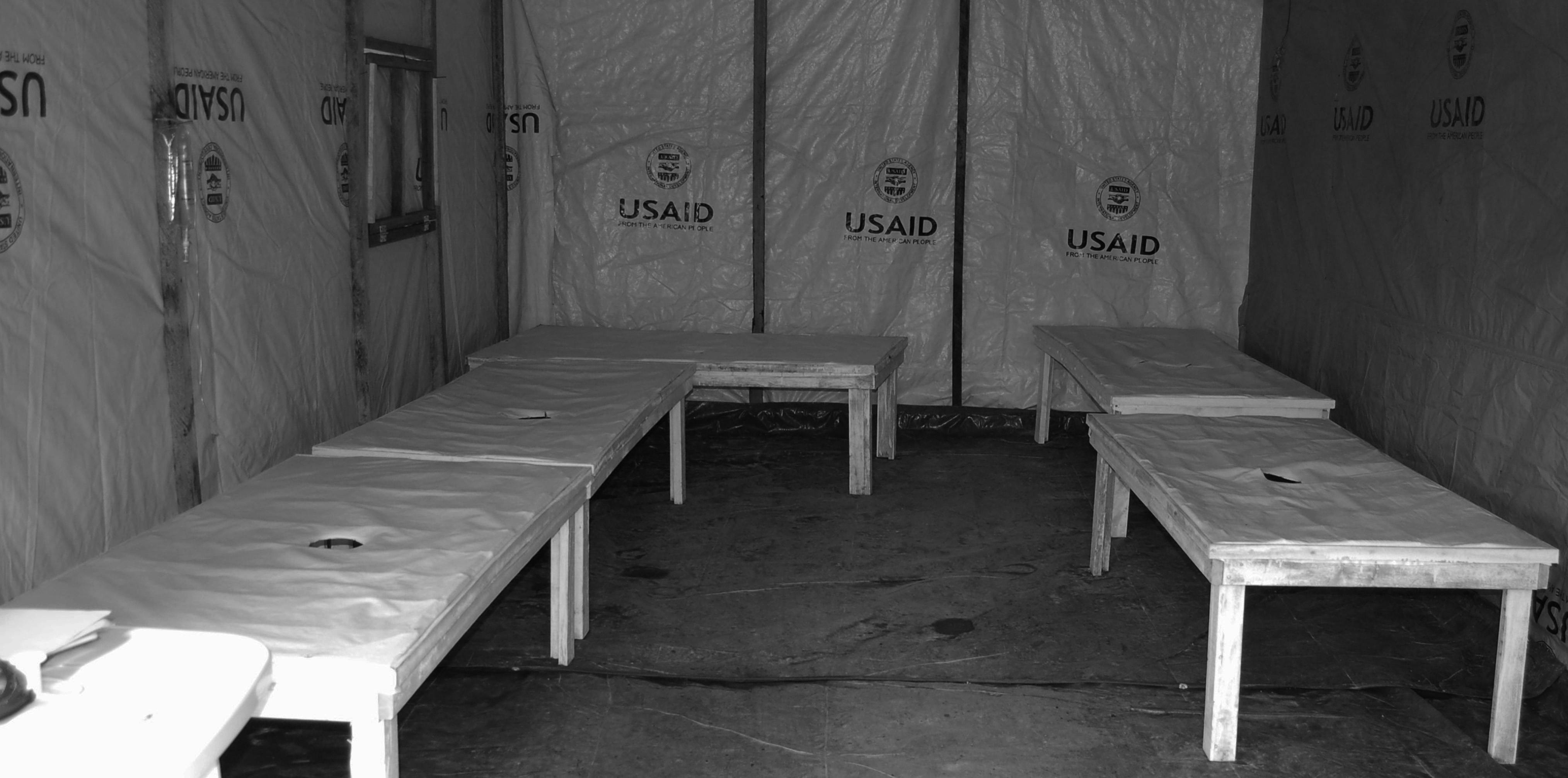 Born in to war in Lebanon, Zereik’s family moved to Montreal when he was five. “My parents had two suitcases and the airline lost one of them,” he remembers. “They rebuilt their lives from scratch.”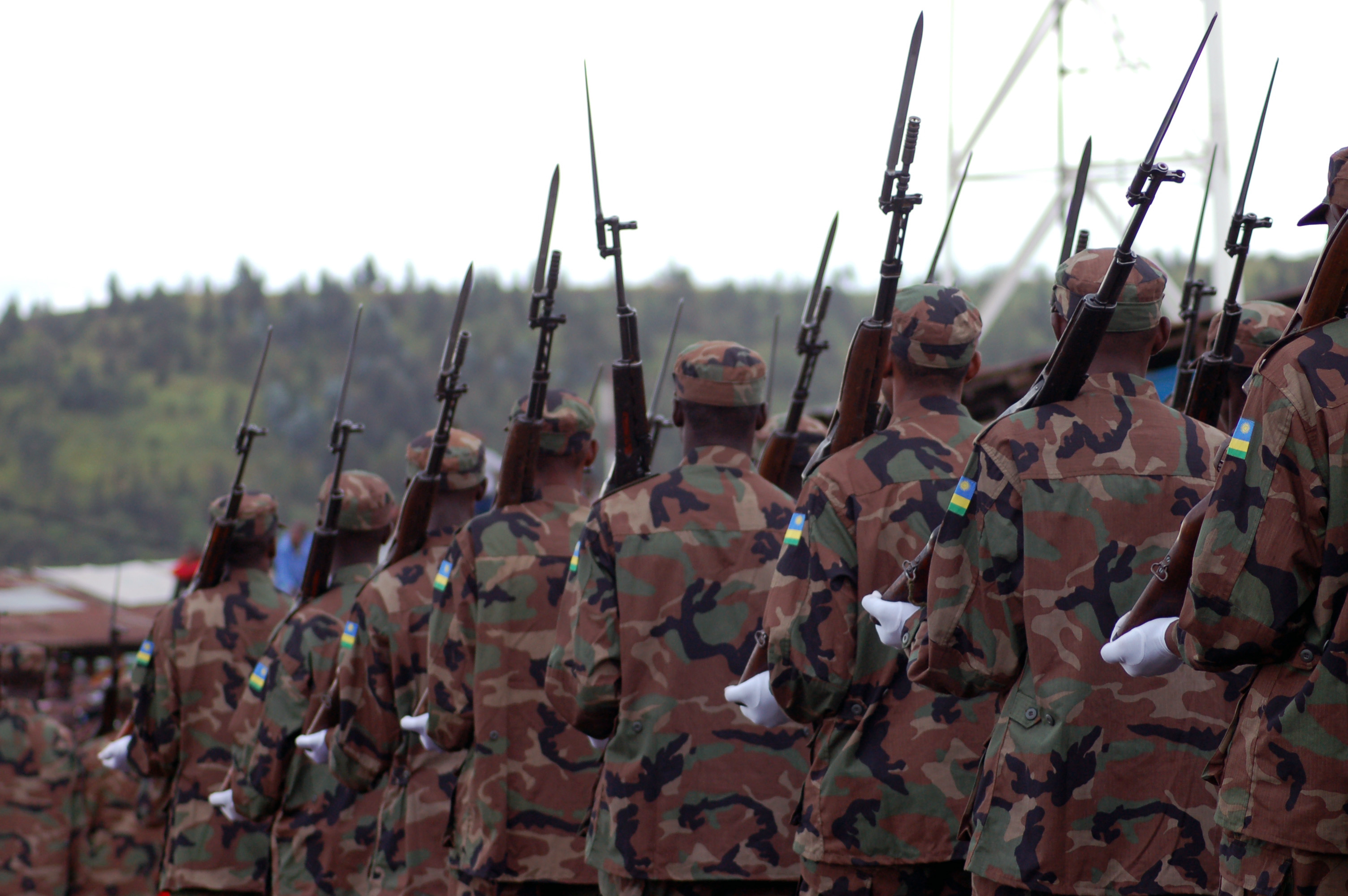


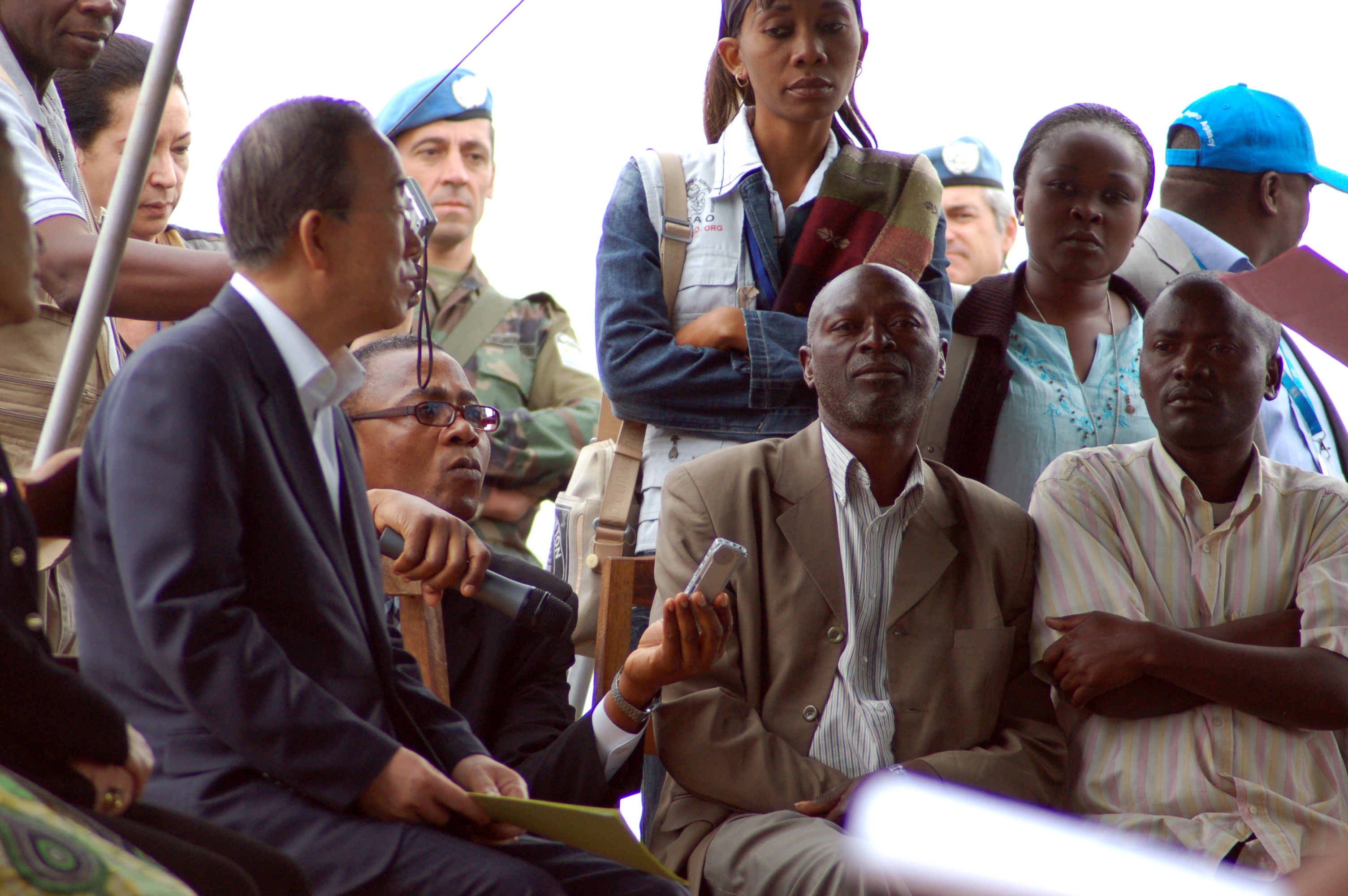

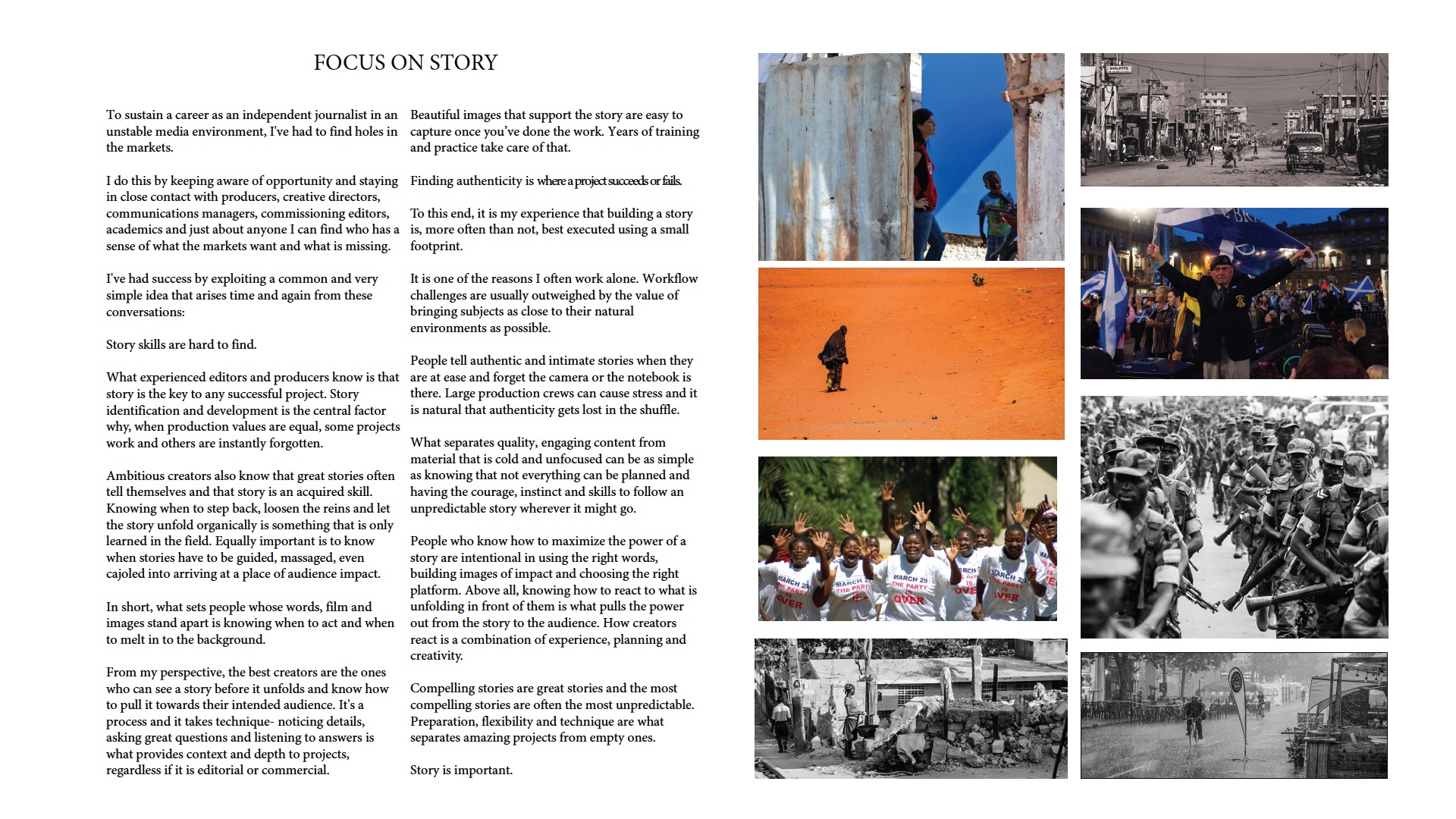

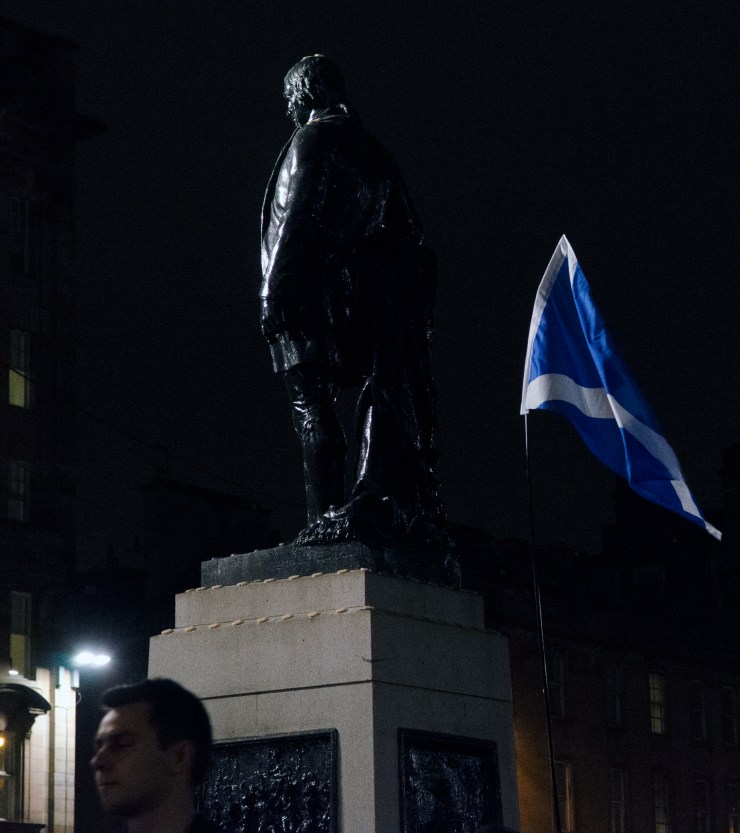



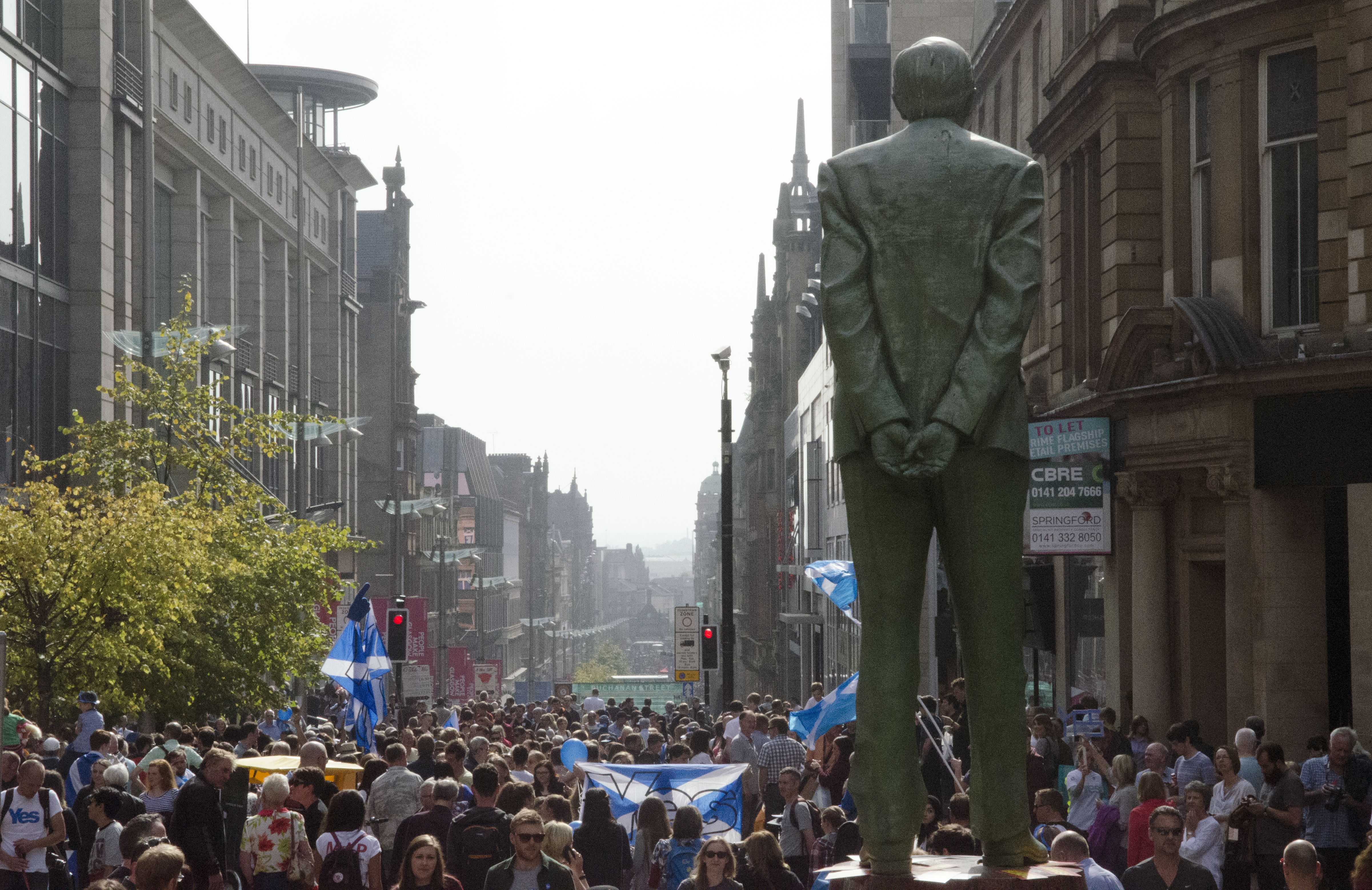


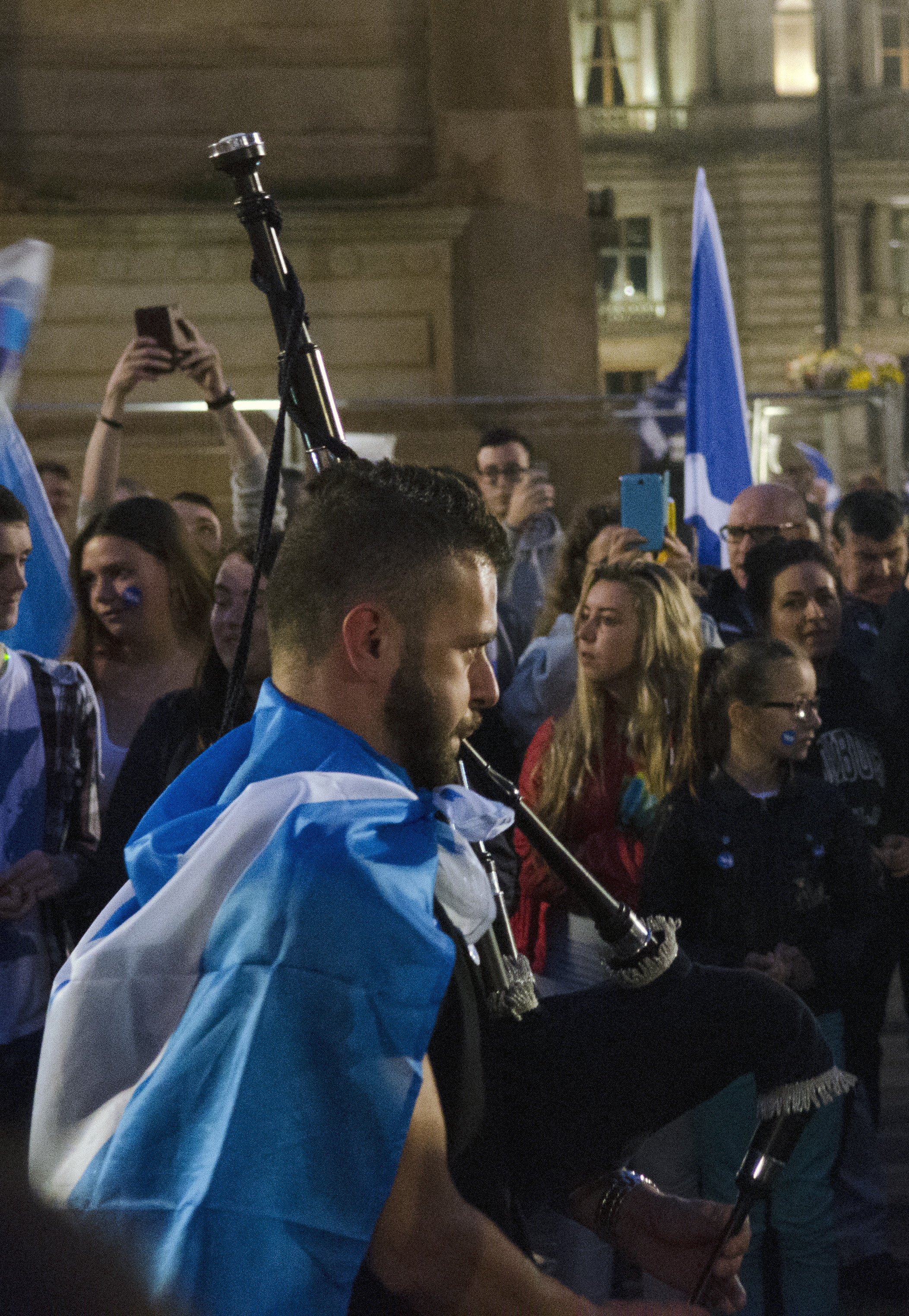
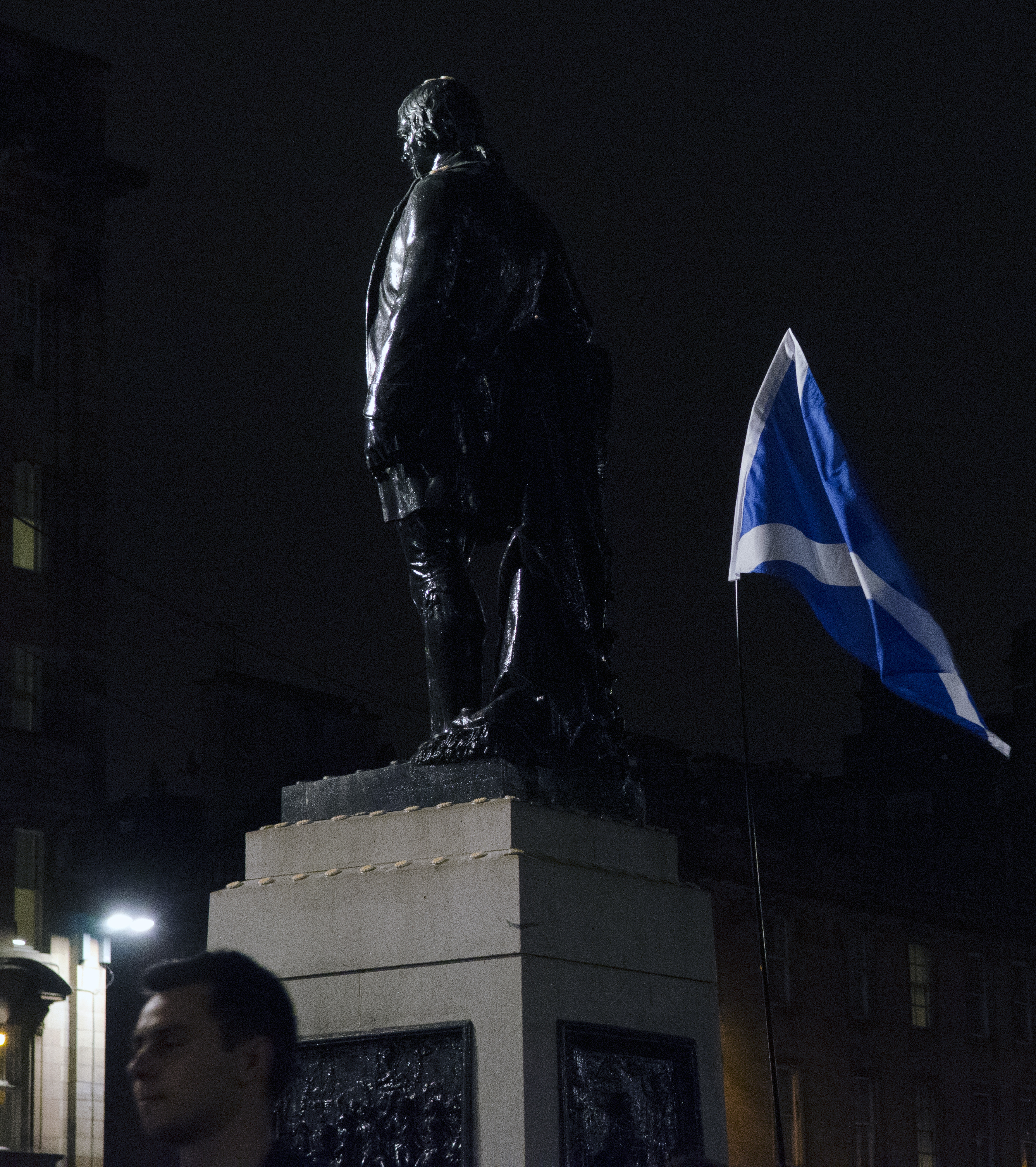






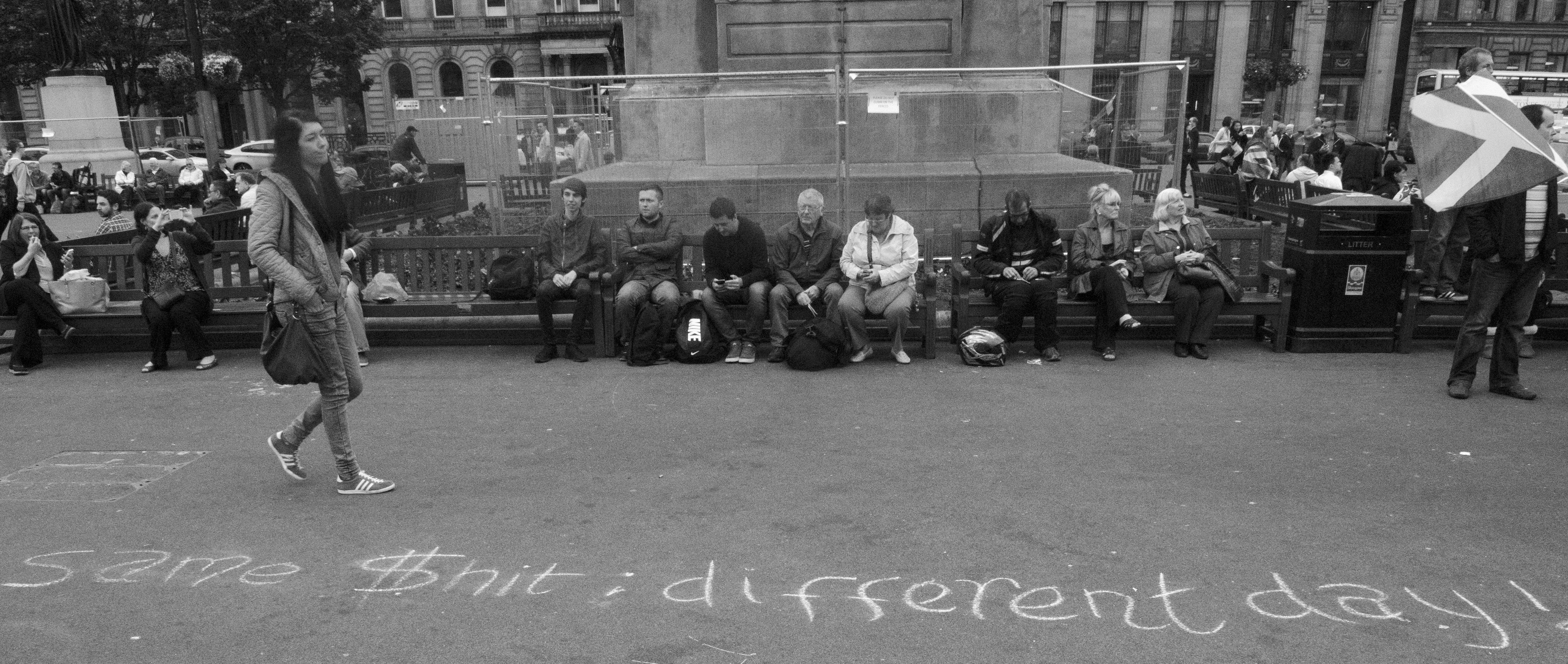

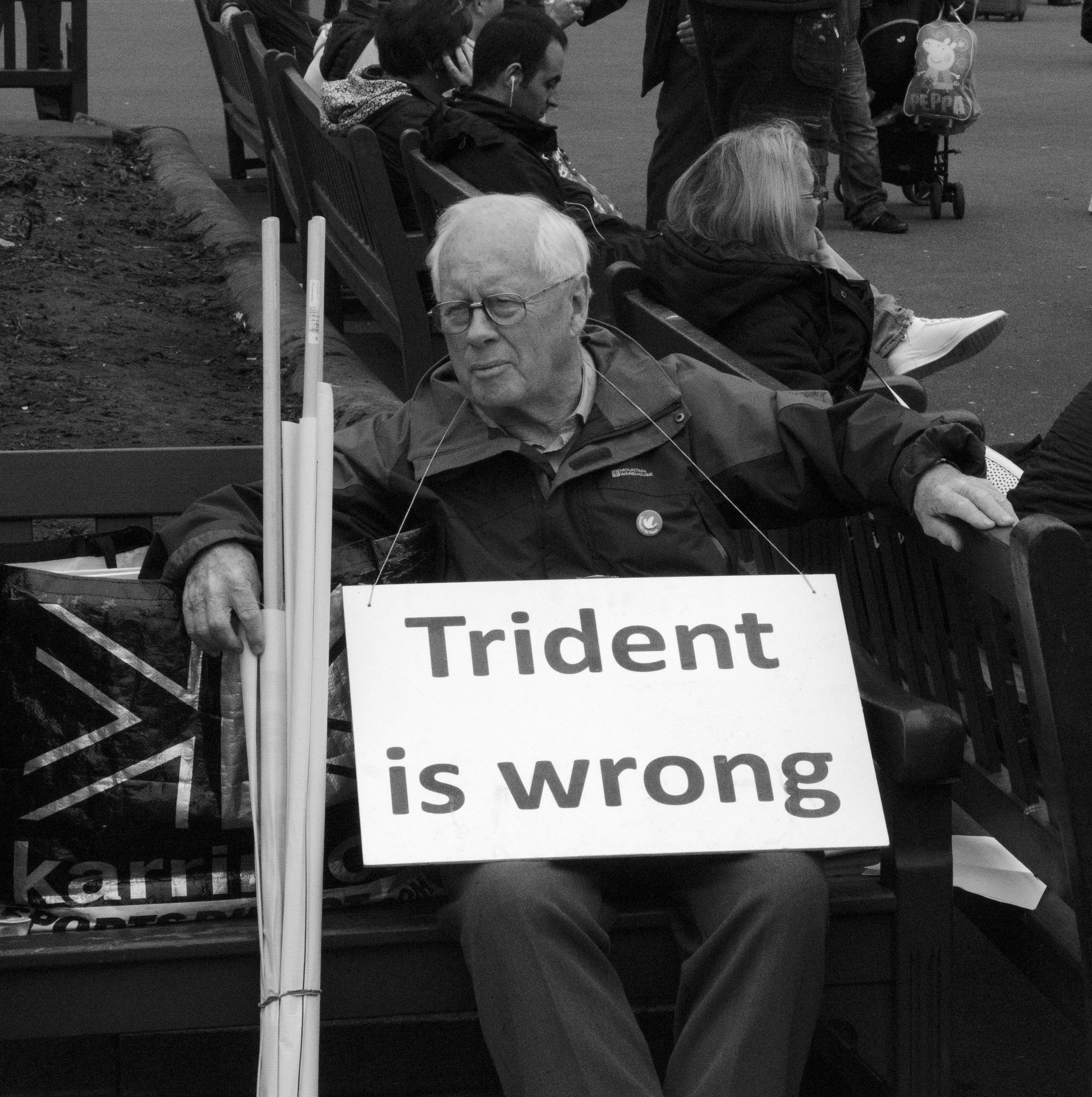
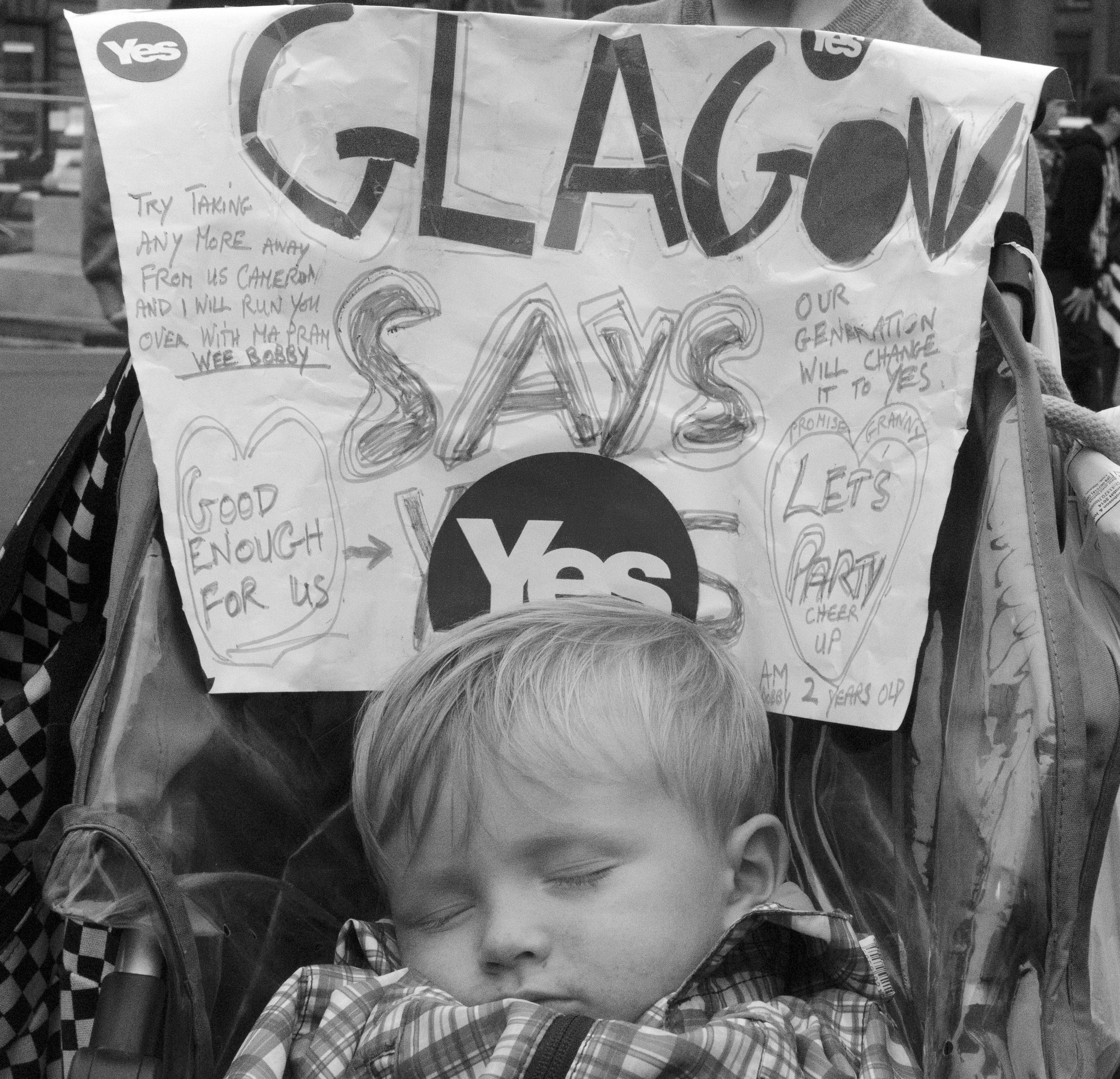



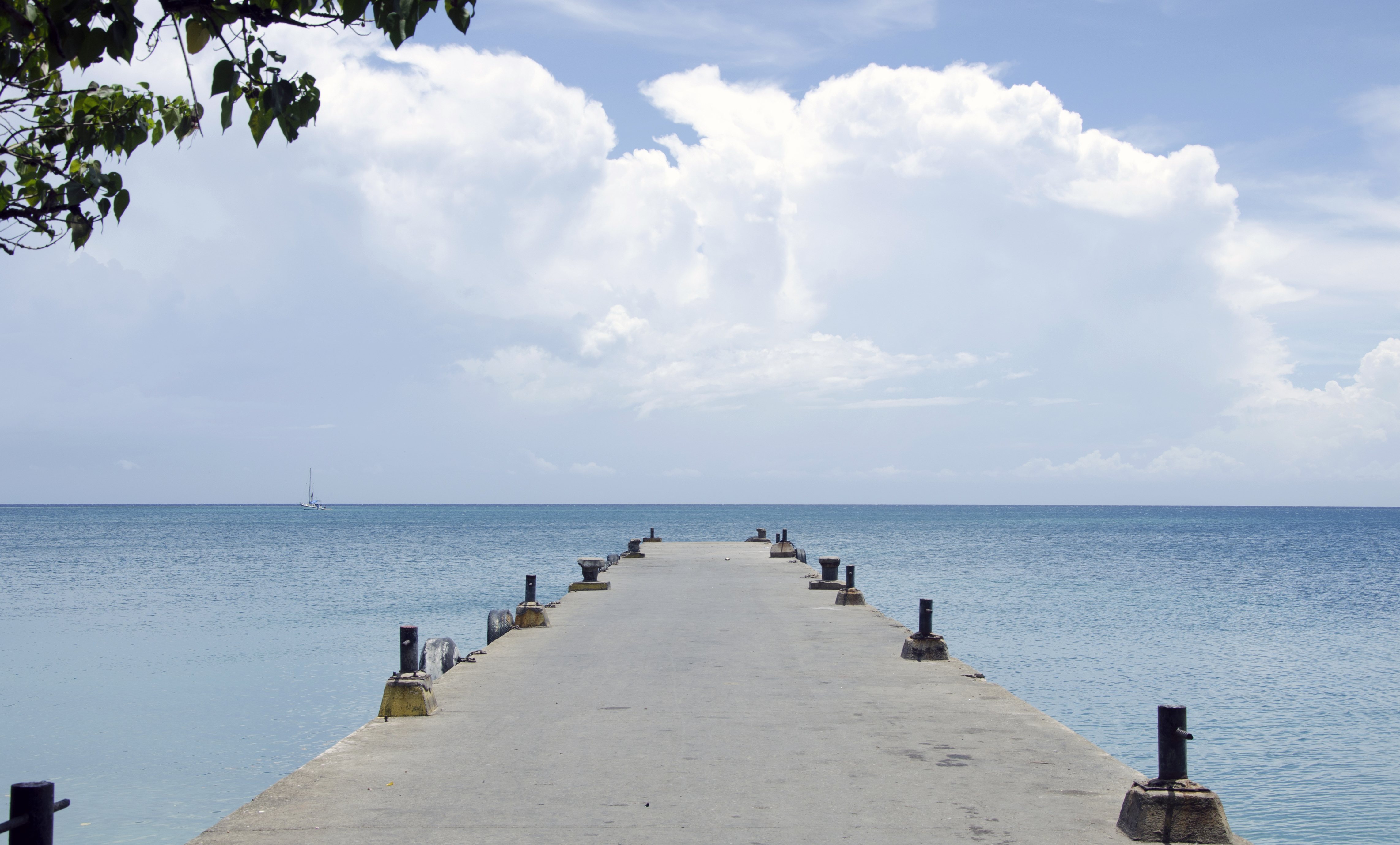

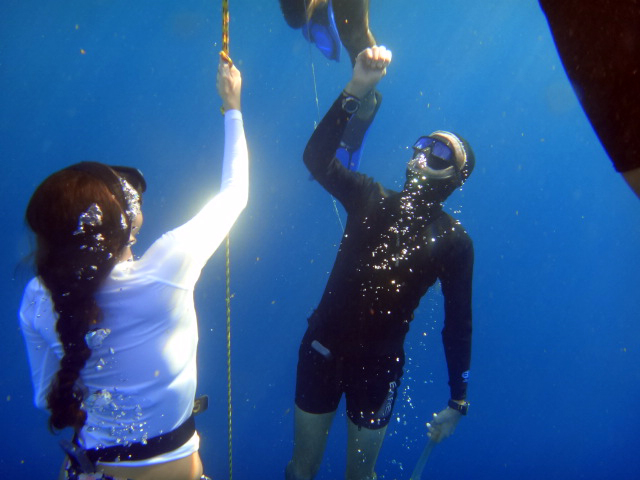

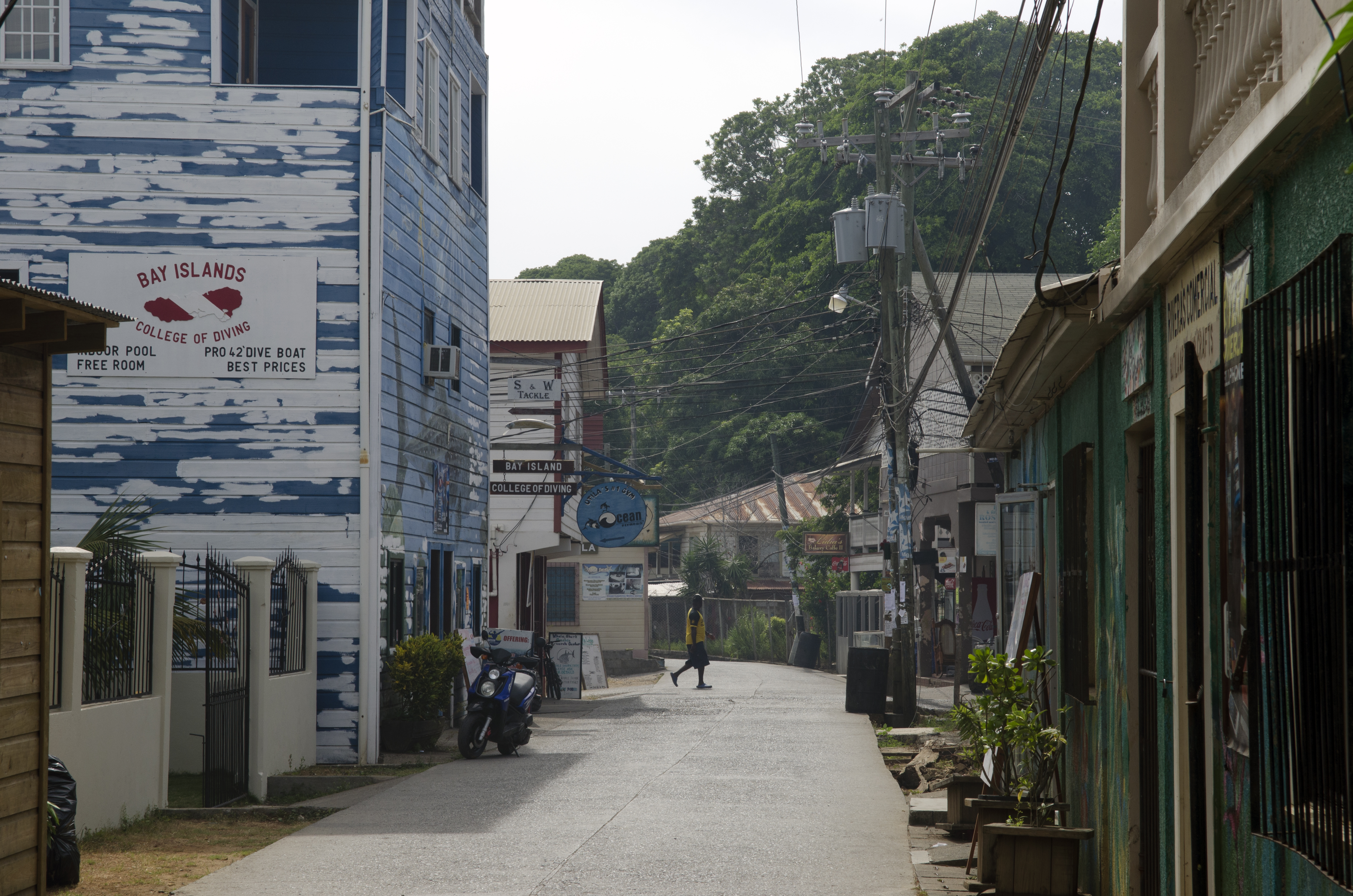
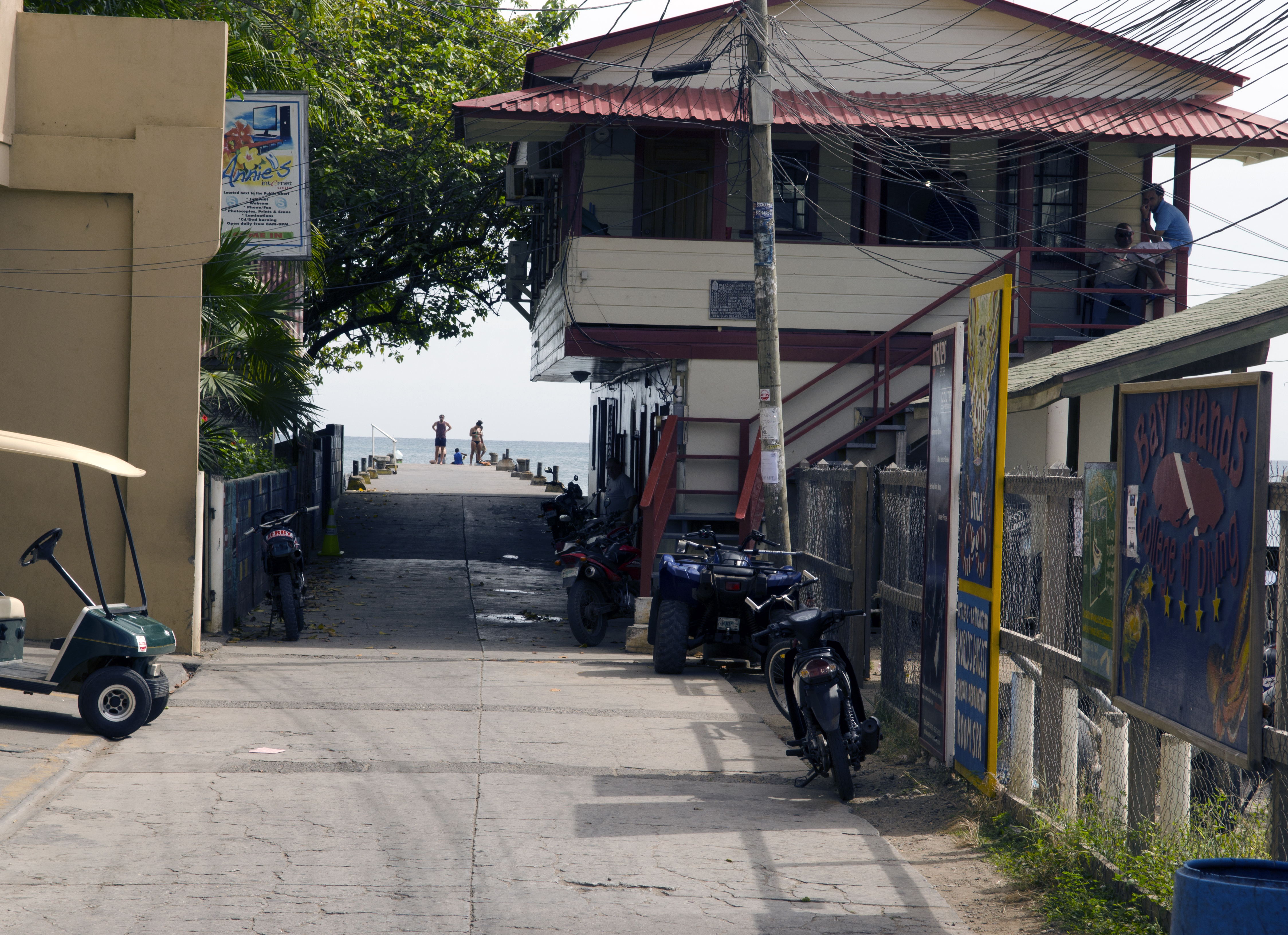

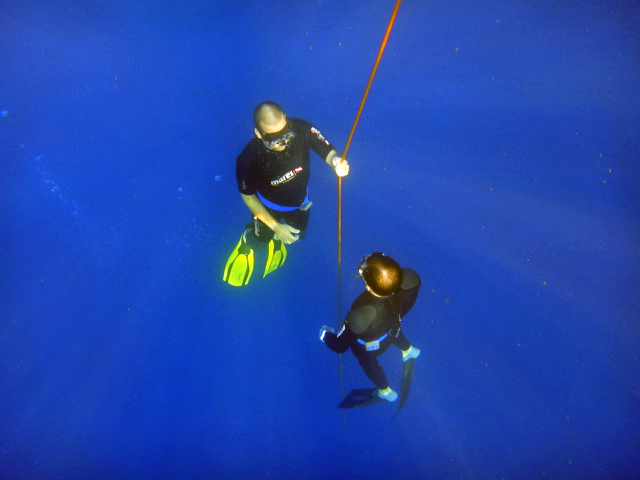
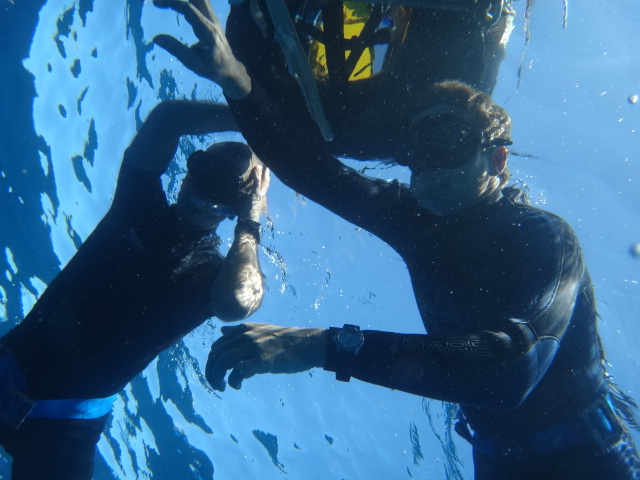

 James Stairs